
Healthy Indian Breakfast Ideas
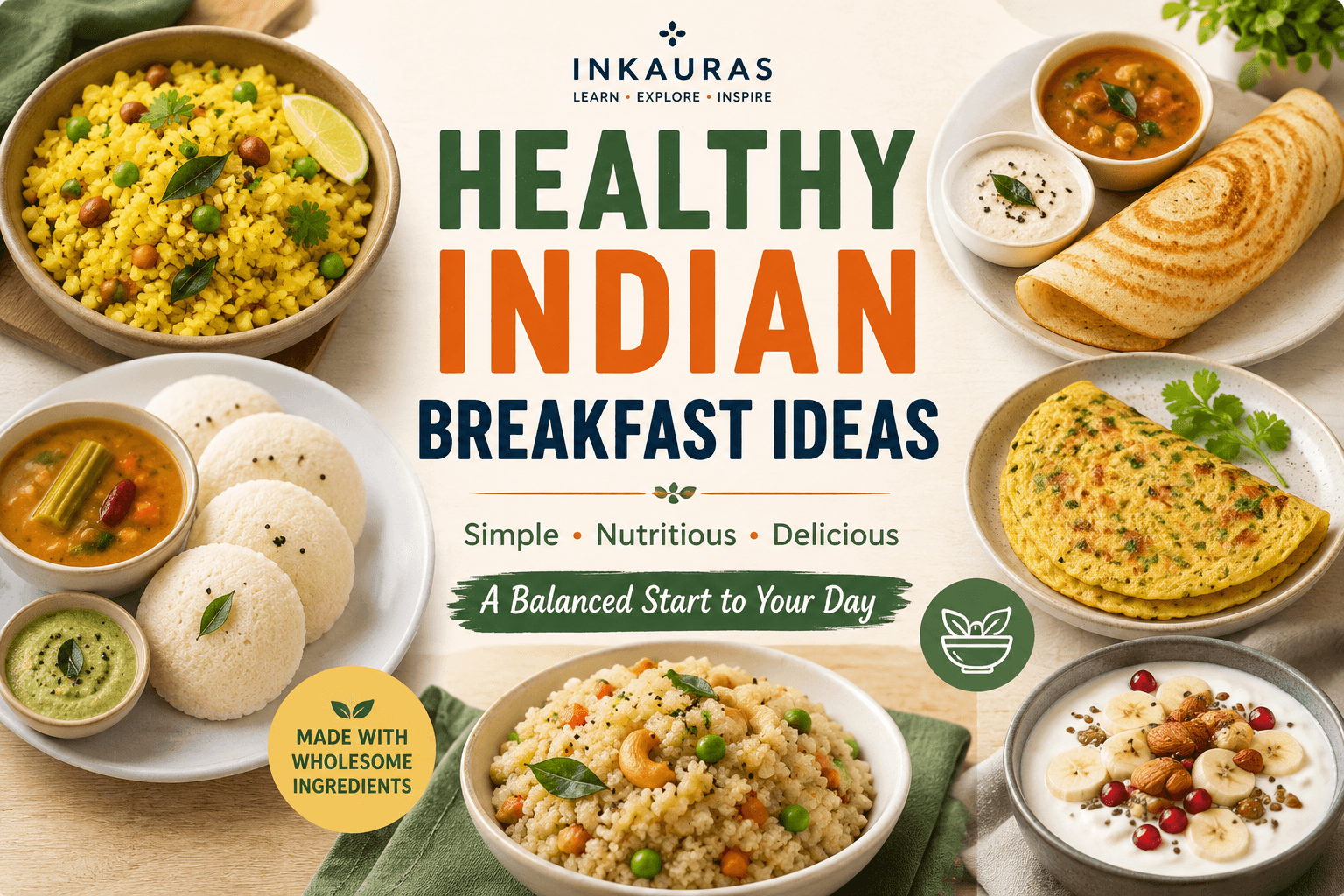
Healthy Indian breakfasts don't require radical changes, as staples like poha, idli, or dal can easily form the base of a balanced meal. By combining these familiar staples with vegetables, protein, and healthy fats, you can build a nutritious morning routine aligned with global dietary guidelines.
InkAuras
Introduction
Breakfast doesn't have to be complicated to be nutritious.
For many Indian households, breakfast is built around familiar foods such as poha, idli, dosa, paratha, upma, eggs, curd and dal. The challenge isn't necessarily finding completely new foods—it is learning how to make everyday choices more balanced.
A practical breakfast can include a combination of whole grains or other staple foods, protein-rich ingredients, vegetables or fruit, and healthy fats in appropriate amounts. Dietary guidance from the World Health Organization emphasizes variety, whole grains, vegetables, fruits, legumes and nuts while recommending moderation of foods high in salt, free sugars and unhealthy fats.
The good news is that Indian cuisine already offers plenty of options.
Here are some simple ideas you can try.
1. Vegetable Poha
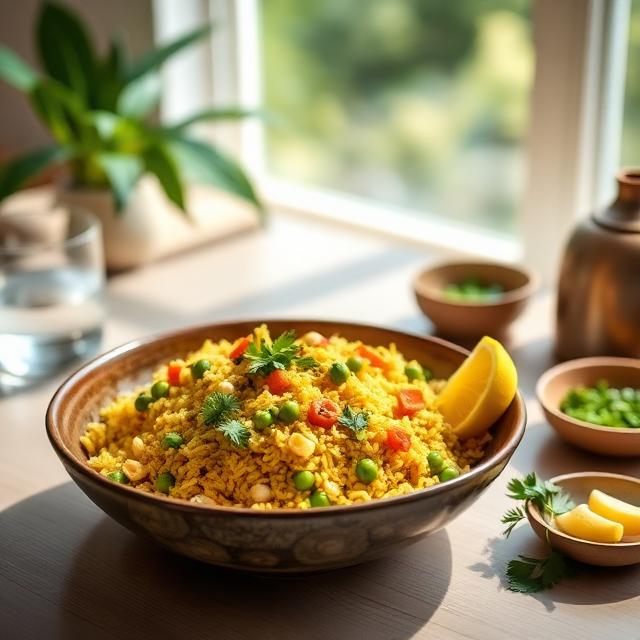
Poha is one of the easiest Indian breakfasts to prepare.
Instead of making it primarily with flattened rice and potatoes, add vegetables such as peas, carrots, beans, capsicum or onions. You can also add peanuts for additional texture and nutrients.
Simple combination:
- Poha
- Mixed vegetables
- Peanuts
- Lemon
- Coriander
- A small amount of cooking oil
The vegetables increase variety, while peanuts add some protein and healthy fats.
Tip: Keep the amount of oil and salt moderate. The final dish doesn't need to be oily to be flavorful.
2. Vegetable Upma
Upma can become a more balanced breakfast simply by adding plenty of vegetables.
Carrots, peas, beans, tomatoes and onions can all work well. If you prefer, you can experiment with different grains or millets as part of a varied diet.
Adding vegetables also changes the texture and flavour, making a simple bowl of upma more satisfying.
Try pairing it with: plain curd or a side of fruit.
3. Idli with Sambar
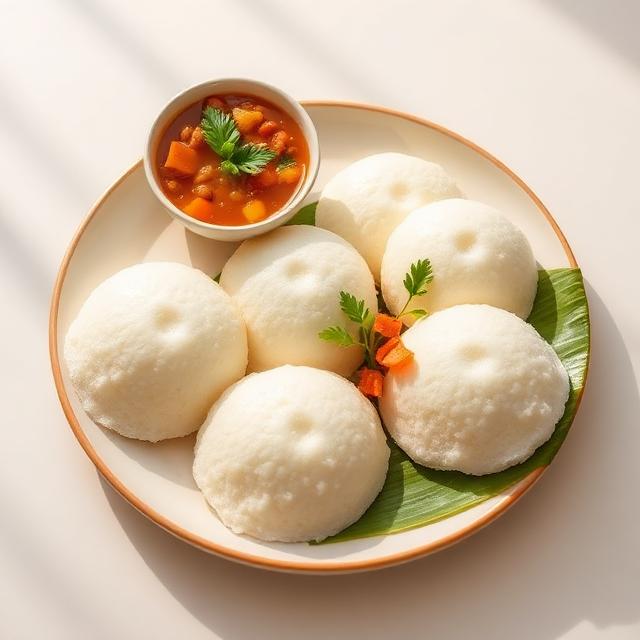
Idli is a popular breakfast across India and can be a convenient option when paired thoughtfully.
Rather than relying only on coconut chutney, consider having sambar alongside your idli. Sambar typically contains lentils and vegetables, providing a combination of protein and plant foods.
You can also add a vegetable side if desired.
The goal isn't to label idli as automatically “healthy” or “unhealthy.” The overall meal matters more than one individual food.
4. Dosa with Sambar and Vegetables
A plain dosa can also fit into a balanced breakfast.
Pairing it with sambar adds pulses and vegetables to the meal. If you're preparing dosa at home, experiment with fermented batters and different ingredients while keeping added oil moderate.
Masala dosa can also be enjoyed, but the potato filling and cooking method can make the meal heavier depending on the portion and preparation.
A simple approach: one or two dosas with sambar and a vegetable-rich side can make a more varied breakfast.
5. Besan Chilla with Vegetables
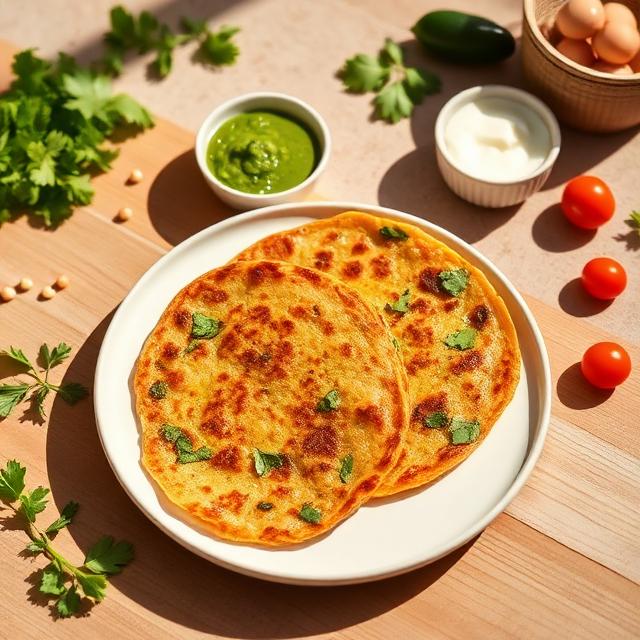
Besan, or gram flour, can be used to make a quick savoury chilla.
Mix besan with water and add ingredients such as:
- Onion
- Tomato
- Coriander
- Grated carrot
- Spinach
- Green chilli, if preferred
Cook on a suitable pan with a modest amount of oil.
You can serve it with plain curd or a vegetable-based chutney.
This is particularly useful when you want something different from traditional cereal-based breakfasts.
6. Eggs with Roti and Vegetables
For people who eat eggs, a simple egg-based breakfast can be convenient.
Try:
2 eggs + whole-wheat roti + vegetables
The eggs provide protein, while roti and vegetables add other components to the meal.
You don't need to turn eggs into an elaborate recipe. A boiled egg, simple omelette or vegetable egg bhurji can all work depending on your preference.
For vegetarians, similar meal structures can be created using dal, paneer, curd, sprouts or other suitable protein sources.
7. Moong Dal Chilla
Moong dal can be soaked, blended and turned into a savoury chilla.
Add vegetables and herbs to the batter and cook using a modest amount of oil.
You can serve it with:
- Plain curd
- Tomato chutney
- Mint-coriander chutney
This makes a useful alternative when you want a protein-containing breakfast without relying on packaged foods.
8. Vegetable Stuffed Roti with Curd
Paratha often gets labelled as an unhealthy breakfast, but preparation and portion size matter.
A homemade vegetable-stuffed roti can be part of a balanced meal.
Try fillings such as:
- Methi
- Cauliflower
- Radish
- Mixed vegetables
Instead of using large amounts of ghee or oil, use a moderate amount during cooking and pair the roti with plain curd.
The objective isn't to eliminate traditional foods. It is to make everyday meals more balanced.
9. Vegetable Sandwich with Curd or Fruit
If you're short on time, a simple homemade sandwich can work.
Use whole-wheat or whole-grain bread where available and fill it with vegetables such as cucumber, tomato, capsicum and lettuce.
You could add:
- Paneer
- Egg
- Hummus
- Homemade curd-based spread
Avoid turning it into a heavily processed meal with large amounts of mayonnaise, cheese or packaged sauces.
A piece of fruit on the side can add variety.
10. A Simple Curd, Fruit and Nut Bowl
For mornings when you don't want a cooked breakfast, plain curd with fruit and a small portion of nuts or seeds can be convenient.
You can add:
- Banana
- Apple
- Papaya
- Seasonal fruit
- Almonds
- Walnuts
- Seeds
Choose plain curd rather than heavily sweetened flavored varieties when possible.
If you need additional carbohydrates, you could combine this with oats or another suitable whole-grain option.
How to Make Your Indian Breakfast More Balanced
You don't need to completely change your traditional breakfast.
Instead, look at what is missing.
Add a protein source
Depending on your dietary preferences, consider:
- Dal
- Eggs
- Curd
- Paneer
- Sprouts
- Besan
- Moong dal
- Nuts and seeds
Add vegetables or fruit
Try adding vegetables directly to dishes such as poha, upma, chilla and omelettes.
Alternatively, have a piece of seasonal fruit alongside breakfast.
Choose whole grains more often
Where practical, choose whole-grain versions of foods such as wheat-based breads and cereals.
The ICMR–National Institute of Nutrition's dietary guidance recommends that at least some cereal intake come from whole grains/millets as part of a varied diet.
Be mindful of oil, sugar and salt
A homemade breakfast can still become less balanced if it contains excessive oil, sugar or salt.
WHO recommends limiting foods high in free sugars, unhealthy fats and sodium.
This doesn't mean you have to completely avoid them. The goal is moderation.
What About Tea, Coffee and Biscuits?
For many people, tea or coffee is part of the morning routine.
The bigger issue is when breakfast becomes:
Tea + biscuits + nothing else.
Biscuits and similar packaged foods may be convenient, but they shouldn't necessarily replace a varied meal on a regular basis.
If you're in a hurry, consider keeping simple options available:
- Fruit
- Curd
- Boiled eggs
- Homemade chilla batter
- Nuts
- Leftover vegetable preparation
- Whole-grain toast
A little preparation the night before can make healthier choices easier the next morning.
You Don't Need a Different Breakfast Every Day
Healthy eating doesn't require constant variety at every meal.
You can create a simple weekly rotation.
For example:
Day
Breakfast
Monday
Vegetable poha + curd
Tuesday
Idli + sambar
Wednesday
Moong dal chilla + curd
Thursday
Vegetable upma + fruit
Friday
Eggs + roti + vegetables
Saturday
Dosa + sambar
Sunday
Vegetable stuffed roti + curd
These are examples, not a prescribed diet. Portions and food choices should be adjusted according to individual needs, preferences and circumstances.
The Bigger Picture
A healthy breakfast is only one part of an overall eating pattern.
There is no single Indian breakfast that is automatically “perfect,” and you don't need to completely remove traditional foods from your diet.
A better approach is to look at the overall meal.
Ask yourself:
Does my breakfast include a good source of protein?
Can I add a vegetable or fruit?
Am I using reasonable amounts of oil, sugar and salt?
Can I choose whole grains more often?
Is this something I can realistically continue eating?
These small decisions can make everyday meals more balanced without making food unnecessarily complicated.
Healthy eating should fit into real life—not make life harder.
Important Note
This article provides general nutrition information for educational purposes. It is not a personalized diet plan or a substitute for advice from a qualified doctor, registered dietitian or other appropriately qualified healthcare professional.
Individual nutritional needs can vary based on age, activity level, medical conditions, allergies, pregnancy, medications and other factors. People with conditions such as diabetes, kidney disease, food allergies or other dietary restrictions should seek personalized professional guidance before making significant dietary changes.
Share your thoughts/ideas in comment section to help readers.
Rate this article
Sign in to rate this article.