
The Joy of Home Cooking
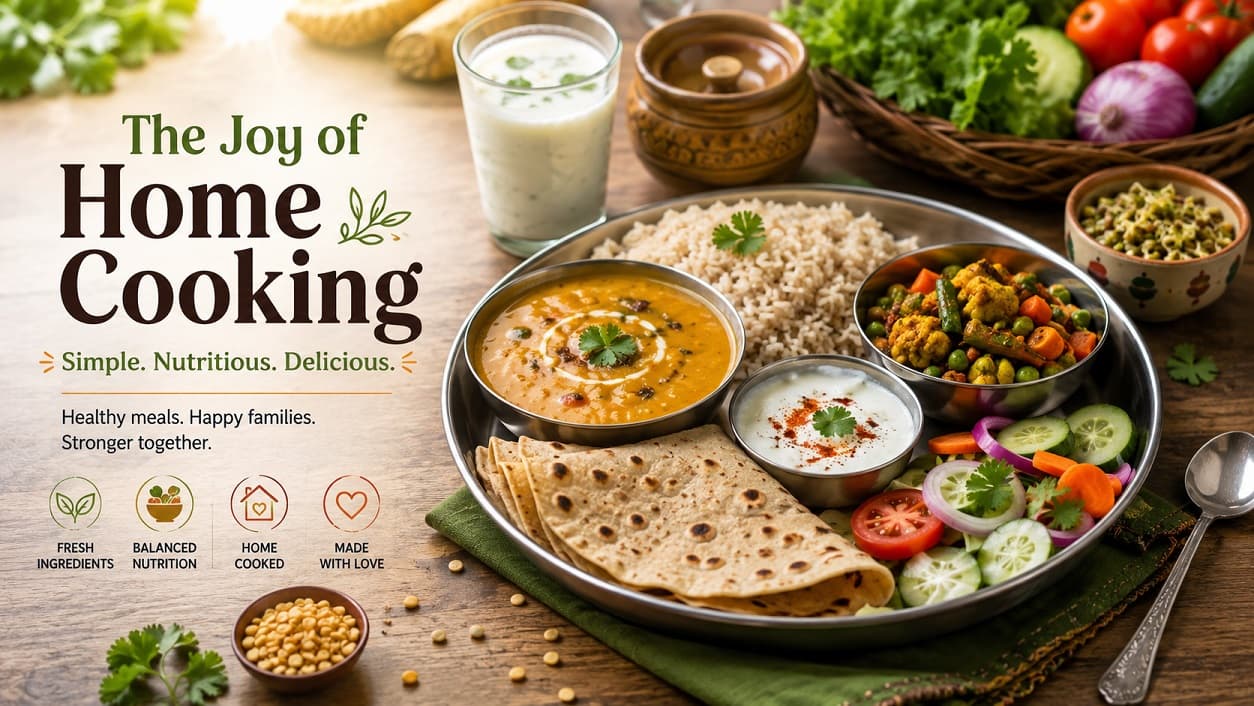
Food serves as a vital source of connection, culture, and well-being, yet busy lifestyles often lead to a reliance on convenient packaged or delivered meals. Preparing food at home with fresh, simple ingredients offers control over health and nutrition, proving that delicious and mindful eating is accessible to everyone anywhere in the world.
InkAuras
Introduction
Food is much more than fuel for our bodies. It brings families together, celebrates traditions, creates memories, and supports our overall health.
In today's busy world, many people depend on packaged meals or food delivery services because they save time. While these options can be convenient, preparing meals at home offers benefits that go far beyond the kitchen.
Home cooking allows you to choose fresh ingredients, control portion sizes, reduce unnecessary additives, and prepare meals that suit your family's taste and nutritional needs.
The good news is that healthy cooking doesn't require expensive ingredients or advanced cooking skills. Small, consistent habits can help anyone prepare delicious and nutritious meals at home.
Whether you live in India or anywhere else in the world, the principles of healthy eating remain the same—fresh ingredients, balanced nutrition, and mindful eating.
Why Home-Cooked Meals Matter
Cooking at home gives you complete control over what goes into your food.
You can:
- Choose fresh ingredients
- Reduce excess salt, sugar, and unhealthy fats
- Prepare balanced meals
- Control portion sizes
- Customize recipes for your family's dietary preferences
- Reduce dependence on highly processed foods
Beyond nutrition, cooking together also creates opportunities for families to spend quality time, teach children valuable life skills, and preserve traditional recipes passed down through generations.
Build a Balanced Plate
A healthy meal doesn't have to be complicated.
A balanced plate simply means including foods from different nutritional groups so your body receives the energy and nutrients it needs.
Whole Grains
Whole grains provide sustained energy and are an excellent source of dietary fiber.
Examples include:
- Whole Wheat Chapati
- Brown Rice
- Millets (Bajra, Jowar, Ragi)
- Oats
- Daliya (Broken Wheat)
- Quinoa
Choosing whole grains over refined grains helps improve digestion and keeps you feeling full for longer.
Protein – The Building Block of Good Health
Protein is essential for building and repairing muscles, strengthening immunity, and maintaining overall health.
One common misconception is that protein is available only through meat or expensive supplements.
In reality, many everyday foods found in Indian kitchens are naturally rich in protein.
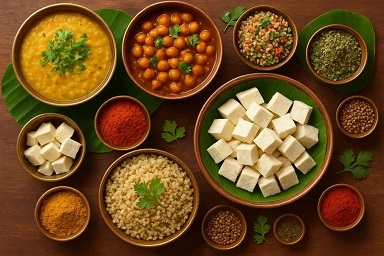
Vegetarian Protein Sources
- Toor Dal
- Moong Dal
- Masoor Dal
- Urad Dal
- Chana Dal
- Rajma (Kidney Beans)
- Chole (Chickpeas)
- Kala Chana
- Soybeans
- Soya Chunks
- Paneer
- Milk
- Curd (Yogurt)
- Buttermilk
Pulses and lentils have been an important part of Indian cuisine for centuries and are among the most affordable and nutritious protein sources available.
Non-Vegetarian Protein Sources
- Eggs
- Chicken
- Fish
- Lean Meat
Including a protein-rich food in every meal helps keep you energized and supports long-term health.
Fresh Vegetables
Vegetables provide essential vitamins, minerals, antioxidants, and fiber.
Try to include a variety of colorful seasonal vegetables such as:
- Spinach (Palak)
- Fenugreek (Methi)
- Bottle Gourd (Lauki)
- Ridge Gourd (Turai)
- Pumpkin
- Cauliflower
- Carrots
- Beetroot
- Tomatoes
- Cucumbers
- Bell Peppers
- Okra (Bhindi)
Eating vegetables of different colors helps provide a wider range of nutrients.
Fruits
Seasonal fruits are naturally rich in vitamins, minerals, antioxidants, and fiber.
Examples include:
- Apple
- Banana
- Papaya
- Guava
- Orange
- Pomegranate
- Mango (in moderation)
- Watermelon
- Muskmelon
Buying seasonal fruits is often more affordable while providing better taste and freshness.
Healthy Fats
Healthy fats support brain function, heart health, and overall well-being.
Choose moderate amounts of:
- Almonds
- Walnuts
- Peanuts
- Flaxseeds
- Sesame Seeds
- Olive Oil
- Mustard Oil
- Groundnut Oil
- Small quantities of Ghee
The key is moderation rather than elimination.
Smart Cooking Tips for Everyday Kitchens
Healthy cooking doesn't mean sacrificing flavor.
Simple changes in cooking methods can significantly improve nutrition.
Some practical tips include:
- Steam, grill, roast, or pressure cook whenever possible.
- Include at least one bowl of dal or legumes each day.
- Use herbs and spices such as turmeric, cumin, coriander, ginger, garlic, and black pepper to enhance flavor naturally.
- Reduce deep-fried foods and highly processed snacks.
- Read ingredient labels before purchasing packaged foods.
- Replace sugary drinks with water, lemon water, coconut water, or buttermilk.
- Prepare extra portions to reduce cooking time on busy days.
Healthy cooking is about making better choices—not perfect ones.
The Importance of Fresh Ingredients
Fresh ingredients generally offer better nutrition and flavor.
Whenever possible:
- Buy seasonal fruits and vegetables.
- Store food properly to reduce waste.
- Prefer fresh ingredients over heavily processed alternatives.
- Support local farmers and markets when available.
Fresh food often requires fewer artificial preservatives and additives.
Stay Hydrated
Good nutrition isn't only about food.
Water plays an essential role in:
- Digestion
- Body temperature regulation
- Energy production
- Joint health
- Healthy skin
Keeping a reusable water bottle nearby is a simple habit that encourages regular hydration.
Practice Mindful Eating
Healthy eating is not only about what we eat but also how we eat.
Try to:
- Eat slowly.
- Chew food properly.
- Avoid using mobile phones or watching television during meals.
- Pay attention to your body's hunger and fullness signals.
Mindful eating can improve digestion and help prevent overeating.
Reduce Food Waste
Reducing food waste benefits both your household budget and the environment.
Simple ways include:
- Plan meals before grocery shopping.
- Buy only what you need.
- Store leftovers safely.
- Reuse leftover vegetables in soups or curries.
- Freeze extra portions for later use.
Small changes can make a meaningful difference.
Cooking Together as a Family
Preparing meals together can become an enjoyable family tradition.
Children can participate by:
- Washing vegetables
- Mixing ingredients
- Arranging salads
- Setting the dining table
Cooking together teaches practical life skills while strengthening family relationships.
Healthy Eating Doesn't Mean Giving Up Traditional Foods
One of the biggest myths about healthy eating is that traditional foods should be avoided.
In reality, traditional Indian cuisine is one of the world's most diverse and balanced food cultures.
Meals based on:
- Dal
- Chapati
- Rice
- Seasonal vegetables
- Curd
- Pulses
- Millets
can naturally provide a nutritious balance of carbohydrates, proteins, healthy fats, vitamins, and minerals.
Rather than following restrictive diets or food trends, focus on moderation, variety, and portion control.
Healthy eating should fit your lifestyle and cultural traditions—not replace them.
A Sample Balanced Indian Meal Plan
Breakfast
- Vegetable Poha with peanuts or
- Vegetable Upma or
- Moong Dal Chilla with mint chutney
- A glass of milk or buttermilk
- One seasonal fruit
Mid-Morning Snack
- Coconut water or
- A bowl of fresh fruit
- Roasted chana or mixed nuts
Lunch
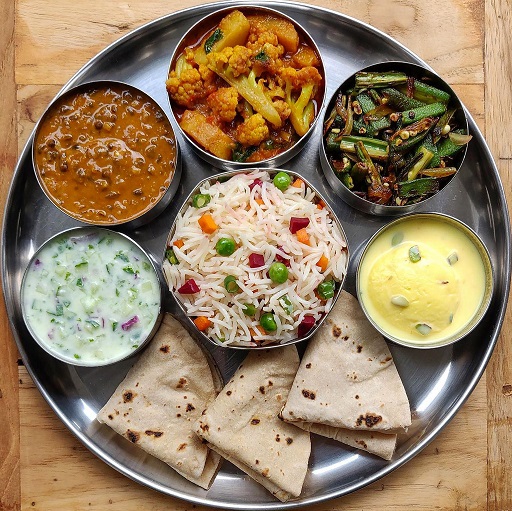
- 2 Whole Wheat Chapatis or Brown Rice
- One bowl of Dal, Rajma, or Chole
- Seasonal Vegetable Sabzi
- Fresh Salad
- Curd or Buttermilk
Evening Snack
- Sprouts Chaat
- Roasted Makhana
- Green Tea or Lemon Water
Dinner
- Millet Roti (Bajra/Jowar/Ragi) or Whole Wheat Chapati
- Mixed Vegetable Curry
- Paneer Bhurji or Dal
- Soup or Fresh Salad
This is only an example. Individual nutritional needs vary depending on age, activity level, health conditions, and personal preferences.
Final Thoughts
Healthy cooking isn't about preparing elaborate meals or following strict diets.
It's about making thoughtful choices that nourish your body while bringing joy to your dining table.
Whether you're preparing a simple weekday dinner or a festive family meal, fresh ingredients, balanced nutrition, and mindful eating can make every meal healthier and more enjoyable.
Remember, the best recipe isn't necessarily the most complicated—it's the one that supports your health while bringing people together.

Key Takeaways
- Home-cooked meals offer better control over ingredients and nutrition.
- A balanced meal includes whole grains, protein, vegetables, fruits, and healthy fats.
- Pulses, lentils, beans, paneer, milk, and curd are excellent vegetarian protein sources.
- Seasonal fruits and vegetables provide freshness, nutrition, and better value.
- Healthy cooking methods preserve nutrition while reducing unnecessary fats.
- Staying hydrated and practicing mindful eating support overall wellness.
- Cooking together creates meaningful family experiences.
- Healthy eating is about balance, consistency, and enjoying traditional foods in moderation.
A Friendly Note
The information shared in this article is intended for general educational purposes only. Nutritional needs vary based on age, health conditions, allergies, and lifestyle. If you have specific dietary requirements or medical conditions, consult a qualified healthcare professional or registered dietitian for personalized advice.
Share your favorite recipe or cooking tip in the comments. Your experience could inspire someone else to prepare a healthy and delicious meal at home.
Rate this article
Sign in to rate this article.