
Healthy Living Made Simple
Small Daily Habits That Can Make a Big Difference
Abhinav Sharma
Introduction
Good health is often associated with strict diets, intense workouts, or expensive wellness programs. While these may work for some people, the foundation of a healthy life is usually much simpler.
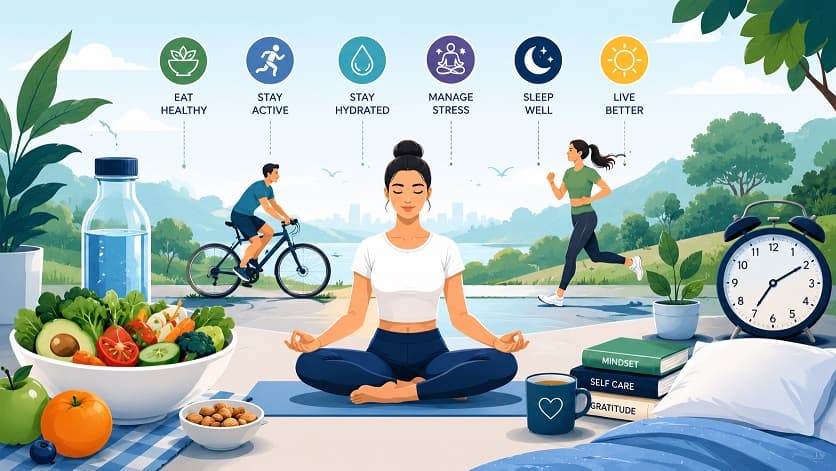
Healthy living is built on small, consistent habits that support both the body and the mind. Drinking enough water, eating balanced meals, getting quality sleep, staying active, and taking time to relax may seem like ordinary actions, but together they can have a lasting impact on overall well-being.
The goal isn't perfection. It's about making better choices, one step at a time.
What Does Wellness Really Mean?
Many people think health simply means not being sick. In reality, wellness is much broader.
True wellness includes:
- Physical health
- Mental well-being
- Emotional balance
- Healthy relationships
- A positive lifestyle
- Work-life balance
When these areas are in harmony, we tend to feel more energetic, focused, and resilient.
Start Your Day with Healthy Habits
The way you begin your morning often influences the rest of your day.
Simple habits such as:
- Drinking a glass of water after waking up
- Stretching for a few minutes
- Eating a nutritious breakfast
- Planning your day calmly
can help you feel more refreshed and organized.
You don't need an elaborate morning routine—consistency matters more than complexity.
Eat a Balanced Diet
Food provides the energy and nutrients our bodies need to function well.
A balanced diet generally includes:
- Fresh fruits and vegetables
- Whole grains
- Protein-rich foods
- Healthy fats
- Plenty of water
At the same time, it's helpful to limit:
- Excess sugar
- Highly processed foods
- Sugary beverages
- Excessive salt
Healthy eating doesn't mean giving up your favorite foods—it means enjoying them in moderation while making nutritious choices most of the time.
Stay Physically Active
Regular movement benefits people of all ages.
Physical activity can:
- Improve heart health
- Strengthen muscles and bones
- Increase energy levels
- Improve flexibility
- Support a healthy weight
- Boost mood
You don't need a gym membership to stay active.
Walking, cycling, dancing, gardening, or playing with children are all excellent ways to keep moving.
Aim to include some form of physical activity in your daily routine.

Never Underestimate the Power of Sleep
Sleep is one of the most important pillars of good health.
During sleep, the body repairs itself and the brain processes information from the day.
Poor sleep may affect:
- Concentration
- Mood
- Energy
- Productivity
- Overall health
Creating a consistent sleep schedule and reducing screen time before bedtime can help improve sleep quality.
Mental Health Matters Too
Physical health and mental well-being are closely connected.
Taking care of your mental health can be as simple as:
- Talking to trusted friends or family
- Practicing gratitude
- Spending time in nature
- Reading a good book
- Listening to music
- Taking short breaks during work
Everyone experiences stress from time to time. Recognizing it early and seeking support when needed is a sign of strength, not weakness.
Drink Enough Water
Water plays an essential role in nearly every function of the body.
It helps with:
- Digestion
- Temperature regulation
- Energy levels
- Joint health
- Skin health
Carrying a reusable water bottle can serve as a simple reminder to stay hydrated throughout the day.
Reduce Screen Time
Technology has made life easier, but too much screen time can affect both physical and mental health.
Long periods of screen use may contribute to:
- Eye strain
- Poor posture
- Reduced physical activity
- Sleep disturbances
Taking short breaks, stretching regularly, and spending time outdoors can help create a healthier balance.
Build Healthy Relationships
Wellness isn't only about diet and exercise.
Strong relationships with family, friends, and colleagues contribute significantly to emotional well-being.
Simple actions such as listening, expressing appreciation, and spending quality time together can strengthen connections and improve overall happiness.
Make Time for Relaxation
Modern life can be busy and demanding.
Setting aside time to relax is not a luxury—it's an important part of staying healthy.
Relaxation can include:
- Reading
- Meditation
- Deep breathing
- Gardening
- Creative hobbies
- Spending time with loved ones
Even a few minutes each day can help reduce stress.
Regular Health Check-ups
Preventive healthcare plays an important role in long-term wellness.
Regular medical check-ups can help detect potential health concerns early and provide opportunities to discuss lifestyle improvements with qualified healthcare professionals.
Routine screenings should be based on your age, personal health history, and advice from your doctor.
Small Changes Create Lasting Results
Many people give up on healthy habits because they try to change everything at once.
A more sustainable approach is to start small.
For example:
- Walk for 20 minutes a day
- Add one extra serving of vegetables to your meals.
- Drink one more glass of water.
- Go to bed 30 minutes earlier.
- Take regular breaks from your desk.
Small improvements practiced consistently often lead to meaningful long-term results.
Final Thoughts
Good health isn't about following perfect routines or chasing quick fixes.
It's about making mindful choices every day that support your body and mind.
Healthy living is a lifelong journey, and every positive step—no matter how small—counts.
By focusing on balance, consistency, and self-care, you can build habits that improve not only your health but also your quality of life.
Key Takeaways
- Wellness includes physical, mental, and emotional health.
- Small daily habits often have the greatest long-term impact.
- A balanced diet and regular physical activity support overall well-being.
- Quality sleep is essential for both body and mind.
- Staying hydrated and reducing excessive screen time contribute to better health.
- Strong relationships and relaxation are important parts of a healthy lifestyle.
- Regular health check-ups can help identify concerns early.
- Consistency is more valuable than perfection.
A Friendly Reminder
The information shared in this article is intended for general educational purposes only. It is not a substitute for professional medical advice, diagnosis, or treatment. If you have specific health concerns or symptoms, consult a qualified healthcare professional for personalized guidance.
Rate this article
Sign in to rate this article.