
How Technology Helps During Emergencies
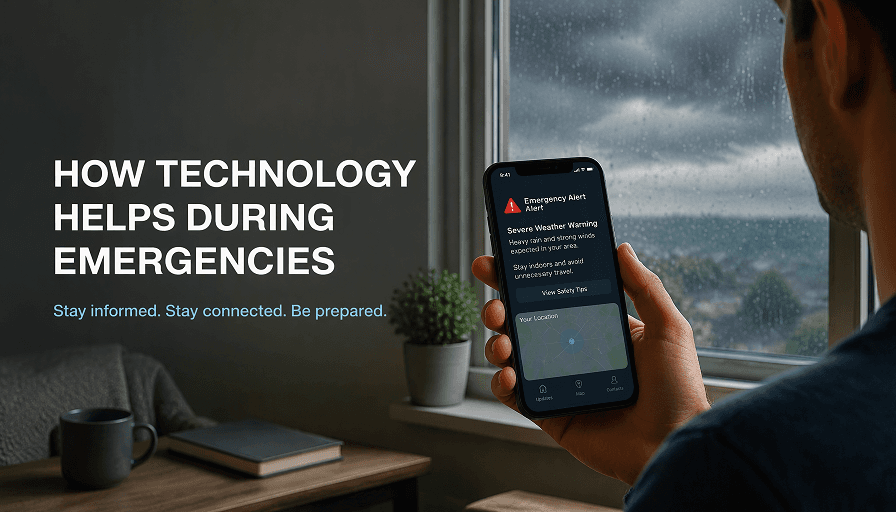
When crises strike without warning, quick access to reliable information can be life-saving. Technology—from smartphone alerts to GPS navigation—plays a crucial role in delivering official updates and helping families stay connected during emergencies.
Deepak Singhal
Introduction
Emergencies can happen with very little warning.
A flood may affect a neighborhood overnight. A severe storm can disrupt transportation and communication. An earthquake, fire, accident or public-health emergency can suddenly change what people need to do.
In such situations, having the right information at the right time can make a significant difference.
Technology has become an important part of how emergency information is created, distributed, received and shared.
Smartphones can receive alerts. GPS can help people understand their location. Maps can provide information about routes. Communication platforms can help families stay connected, while official websites and apps can provide updates.
But technology is not a replacement for emergency services or professional guidance.
Its greatest value is often in helping people receive reliable information quickly, communicate with others and make informed decisions based on official instructions.
1. Emergency Alerts Can Provide Early Warnings
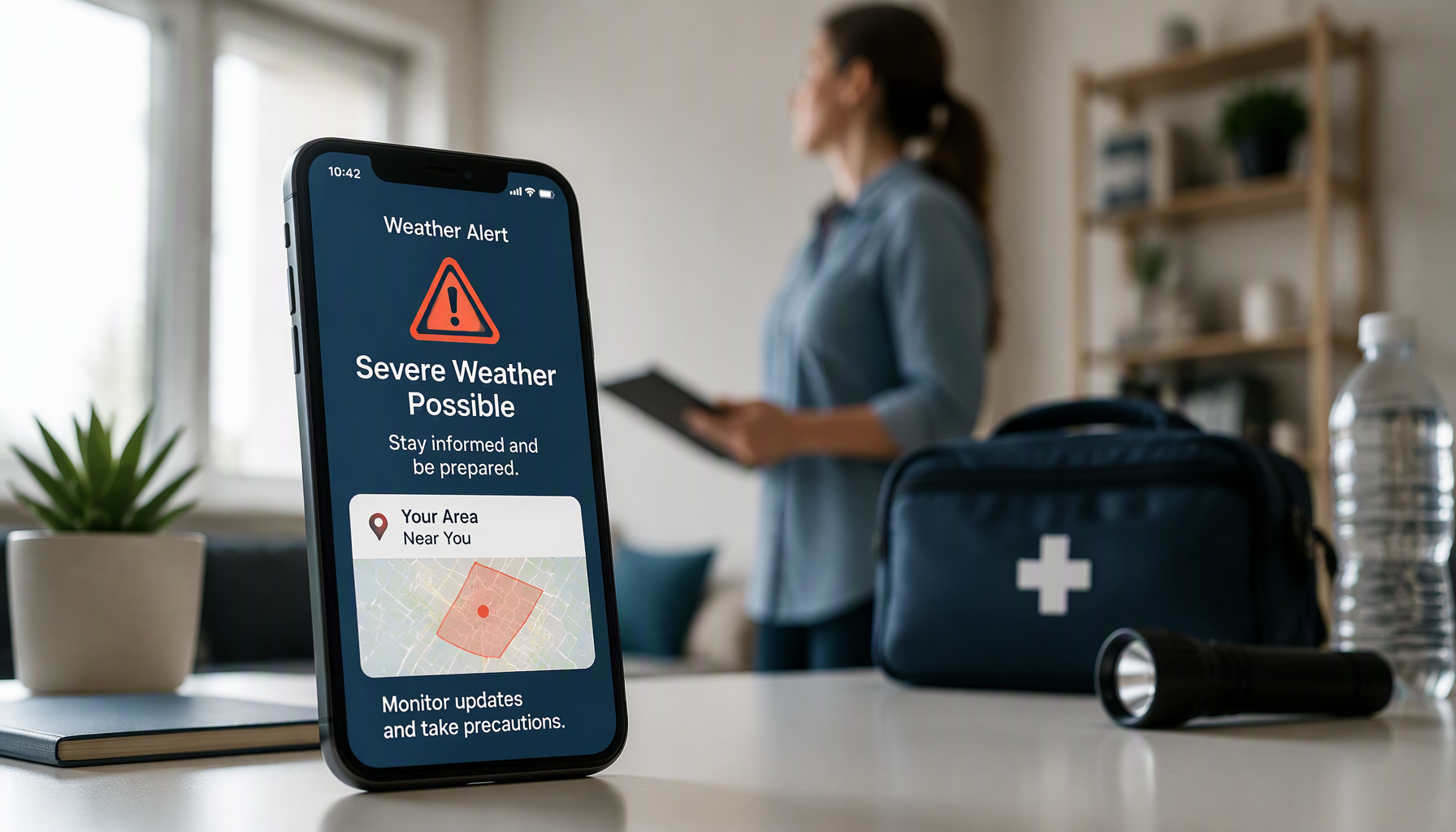
One of the most useful applications of technology during emergencies is the ability to send warnings quickly.
Traditional communication methods such as television, radio and public announcements remain important, but digital systems can reach people directly through mobile phones and other connected devices.
In India, the National Disaster Management Authority's SACHET platform uses a Common Alerting Protocol-based system to disseminate geo-targeted disaster warnings through multiple channels, including SMS, mobile applications and browser notifications.
This can be particularly useful when an emergency affects a specific geographical area.
For example, people may receive information about hazards such as:
- Floods
- Cyclones
- Heat waves
- Lightning
- Earthquakes
- Landslides
- Tsunamis
- Forest fires
SACHET also provides disaster-related information in multiple Indian languages.
The important lesson is simple:
Don't ignore official emergency notifications.
2. Smartphones Put Important Information Within Reach
A smartphone can become a useful information tool during an emergency.
Depending on the situation and available network connectivity, people may use it to:
- Receive emergency alerts
- Check official updates
- Contact family members
- Access maps
- Find nearby services
- Share their location
- Access emergency information
- Receive weather updates
However, a smartphone is only useful if it has sufficient battery power and, where required, access to a working network.
This makes basic preparation important.
Keeping a phone reasonably charged and having a power bank available can be useful parts of an emergency preparedness plan.
3. GPS and Digital Maps Can Help With Location
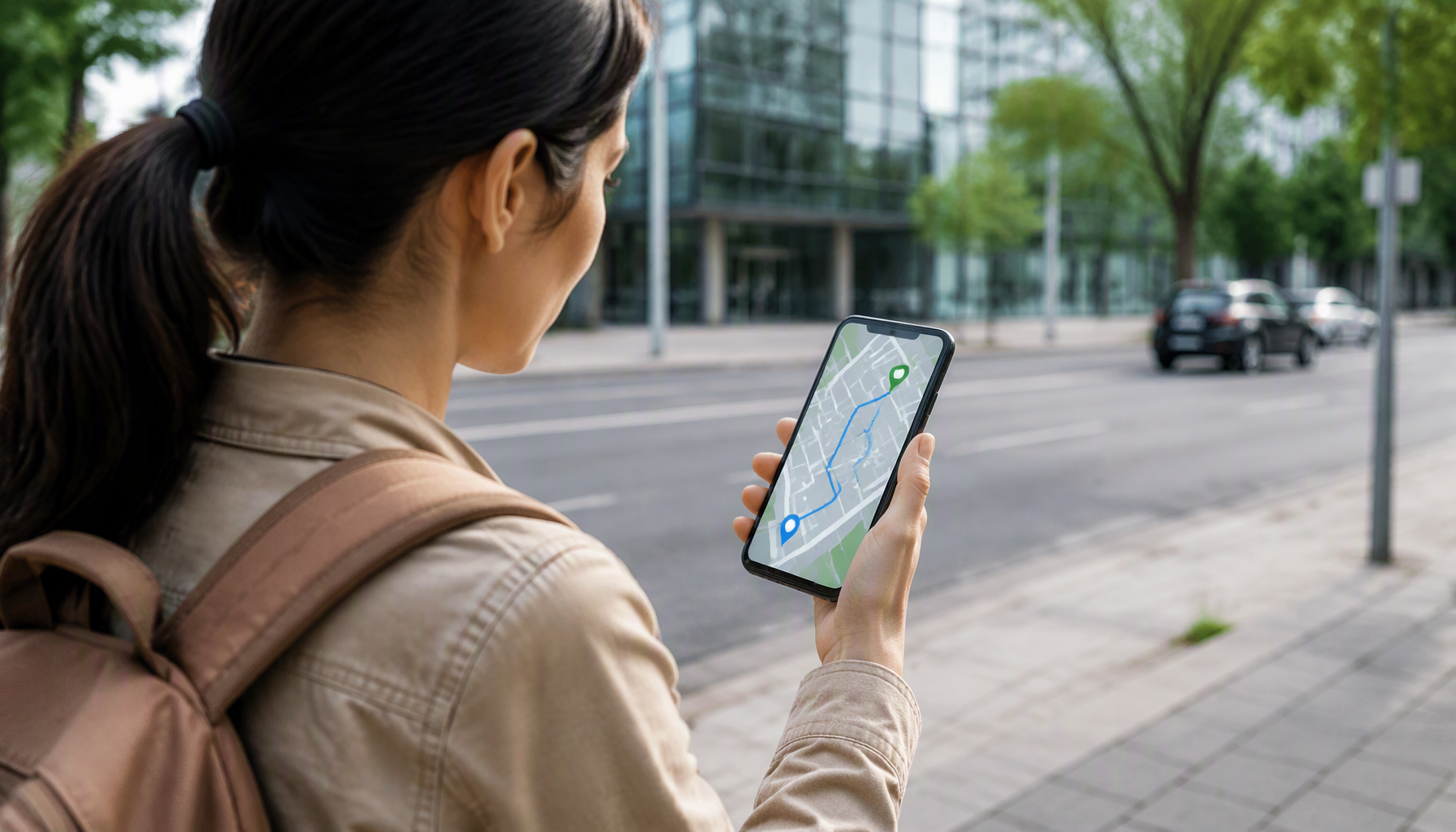
Location technology can be valuable when people need to understand where they are or communicate their location to someone else.
GPS-enabled smartphones can help users identify their approximate position and navigate using digital maps.
Location sharing can also help family members or trusted contacts understand where someone is, provided the relevant service is working and the person has chosen to share their location.
However, digital maps should not automatically be treated as authoritative emergency evacuation instructions.
Roads can become blocked. Bridges may be closed. Flooding or other hazards can change conditions quickly.
During an emergency, official evacuation instructions and local authorities should take priority over ordinary navigation recommendations.
4. Communication Technology Helps Families Stay Connected
One of the first concerns during an emergency is often:
“Is everyone safe?”
Mobile calls, SMS, messaging services and other communication platforms can help families and communities exchange information.
For example, a family might establish a simple communication plan:
- One primary contact person
- One backup contact
- A meeting location
- Important phone numbers
- A preferred messaging method
This can reduce confusion when people are separated.
It can also help to communicate briefly during periods of network congestion.
Instead of repeatedly calling several people, a short message such as “I'm safe” may sometimes be enough.
5. Technology Can Help Authorities Communicate With the Public
Technology isn't only useful to individuals.
Emergency-management organizations can use digital systems to distribute information to large numbers of people.
WHO's emergency communication guidance emphasizes the importance of communicating early, providing regular updates, using understandable language and sharing information through multiple channels. It also highlights the importance of managing rumors and misinformation during emergencies.
This is important because emergencies can create an enormous demand for information.
People may want to know:
- What happened?
- Where is it happening?
- What should I do?
- Which areas are affected?
- Where can I get help?
- Has the situation changed?
Technology can help authorities answer these questions more quickly and distribute updates across different channels.
6. Digital Maps Can Help Show Changing Conditions
Modern mapping technology can provide more than simple directions.
Depending on the platform and situation, digital maps can help visualize information such as affected areas, road closures, weather conditions or other geographic information.
Emergency organizations can also use geographic information systems and other mapping technologies to understand where hazards are occurring and where resources may be required.
For the general public, however, the most important principle remains:
Use information from reliable and official sources when making safety-related decisions.
A map shared through social media may be outdated, incomplete or inaccurate.
7. Weather Technology Can Improve Preparedness
Weather forecasting has become an important part of everyday life, but it becomes especially useful when severe weather is approaching.
Weather services can provide information about:
- Heavy rainfall
- Storms
- Cyclones
- Heat waves
- Lightning
- Strong winds
- Other weather-related hazards
In India's SACHET system, weather and disaster-related information can be distributed through an integrated alert system using geo-intelligence. The platform also incorporates information from agencies including the India Meteorological Department and other government bodies.
This illustrates an important shift in emergency preparedness:
Technology can help people move from reacting to an event toward preparing for it.
8. Technology Can Help During Public-Health Emergencies
Technology also plays a role when an emergency involves public health.
During health emergencies, people may need information about symptoms, preventive measures, public guidance, service availability or changing recommendations.
Digital communication can help distribute information rapidly.
However, this is also an area where misinformation can spread quickly.
WHO notes that effective emergency risk communication needs trust, technical accuracy, timely updates and coordination between relevant organizations.
For individuals, this means that forwarding an alarming message simply because it appears urgent may not be helpful.
Instead, check whether the information comes from a recognized health authority or other credible source.
9. Social Media Can Help—and Mislead
Social media has become another major source of information during emergencies.
People can use it to share:
- Local updates
- Photos
- Videos
- Requests for assistance
- Information about affected areas
- Official announcements
But there is another side to this convenience.
Unverified information can spread extremely quickly.
An old photograph may be presented as a current event. A rumor may be shared as fact. An unofficial evacuation message may cause unnecessary panic.
WHO specifically identifies rumors and misinformation as important communication challenges during emergencies.
Before forwarding emergency information, ask:
Who published it?
Is the information current?
Can I verify it through an official source?
If the answer is unclear, don't treat it as confirmed information.
10. Technology Has Limitations
Technology can be extremely useful, but it is not infallible.
During a major emergency:
- Mobile networks may become congested.
- Electricity may be interrupted.
- Internet connectivity may fail.
- Smartphones may run out of battery.
- GPS or map information may not reflect current road conditions.
- Digital services may temporarily become unavailable.
This is why emergency preparedness should never depend entirely on a smartphone.
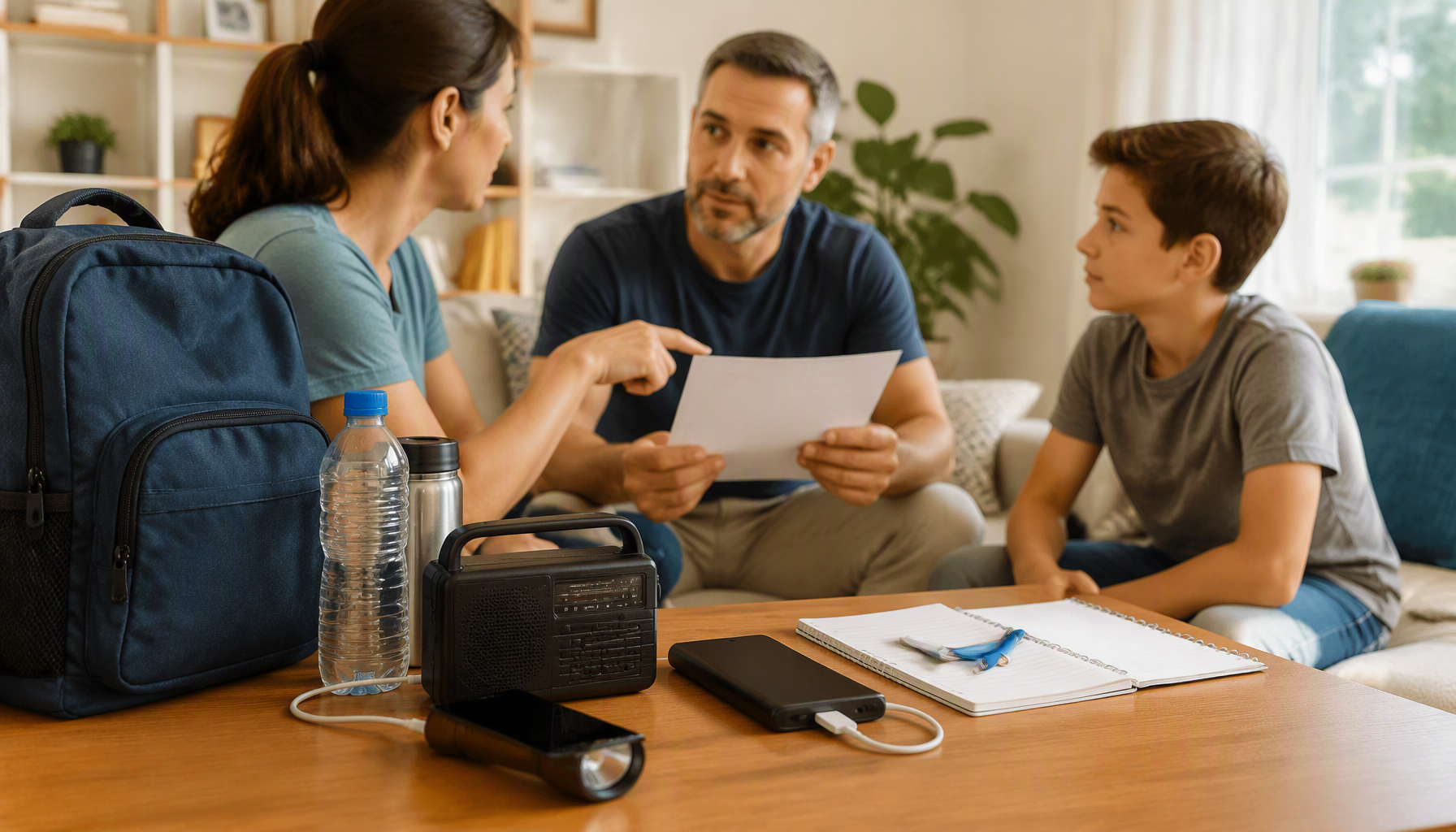
It is sensible to maintain alternatives such as:
- A physical list of important phone numbers
- Basic emergency supplies
- A flashlight
- Backup power
- Knowledge of local emergency procedures
- A family communication plan
- Awareness of nearby safe locations
Technology should be considered one part of preparedness, not the entire preparedness system.
11. Keep Emergency Information Ready Before You Need It
One of the easiest ways to make technology more useful during an emergency is to prepare in advance.
Consider keeping the following information easily accessible:
Important contacts
Save family members, trusted contacts and relevant local services.
Emergency applications
Install official emergency or weather applications relevant to your location.
Location services
Understand how your phone's location and location-sharing features work.
Important documents
Keep appropriate digital copies of important documents securely stored, while also maintaining physical copies where appropriate.
Battery backup
Keep a power bank charged and accessible.
Emergency communication plan
Discuss with family members how you will communicate if you become separated.
These simple steps can reduce unnecessary stress when something unexpected happens.
A Simple Technology Emergency Checklist
Before an emergency occurs, ask yourself:
📱 Is my phone usually charged?
🔋 Do I have a working power bank?
📍 Do I know how to share my location if necessary?
🌦️ Do I receive official weather or disaster alerts?
👨👩👧 Do my family members know how we will communicate?
📞 Do I have important phone numbers saved or written somewhere?
🌐 Do I know which official websites or apps provide reliable local information?
📰 Do I verify emergency information before forwarding it?
A few minutes of preparation can make technology considerably more useful when it matters.
Inkauras Insight
Technology doesn't prevent every emergency—but it can improve how quickly people receive information, communicate and respond.
The most valuable technology during an emergency isn't necessarily the newest device or the most sophisticated application.
Sometimes it's something as simple as:
A
reliable alert.
A charged phone.
An accurate map.
A trusted contact.
And verified information.
The real benefit comes from combining technology with good preparation and responsible decision-making.
Final Thought
Emergencies are unpredictable, but preparation doesn't have to be.
Technology gives us tools that previous generations didn't have rapid alerts, location services, digital maps, weather information and almost instant communication.
At the same time, technology has limitations. Networks can fail, information can be wrong and devices can run out of power.
That's why the best approach is not to depend on technology blindly.
Use it wisely.
Keep your devices prepared. Follow official instructions. Verify information before sharing it. Maintain offline alternatives. And make sure your family knows what to do if communication becomes difficult.
Technology works best during an emergency when preparation comes first.
Important Note
This article is intended for general educational and informational purposes only. It is not an emergency-response manual or a substitute for instructions from local authorities, emergency services, medical professionals or other qualified officials.
Emergency procedures can vary depending on the type of incident and location. During an actual emergency, follow current instructions from relevant government authorities and emergency services rather than relying solely on information from social media, maps, apps or other digital sources.
Technology and communication services can also fail during emergencies, so maintaining appropriate offline preparedness is important.
Share your views in comment section.
Rate this article
Sign in to rate this article.