
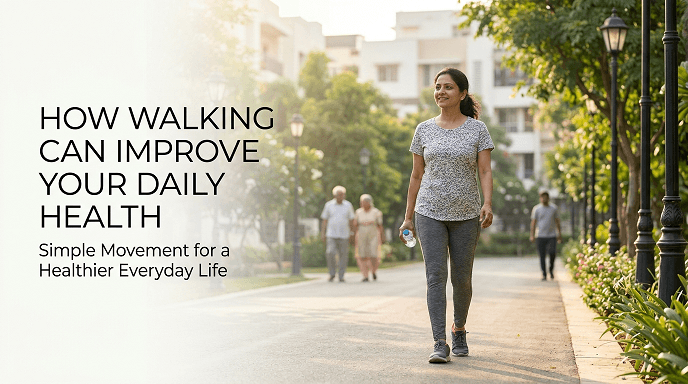
How Walking Can Improve Your Daily Health
Walking is an accessible form of physical activity that can easily be integrated into daily routines like commuting or running errands. When done regularly, it helps fulfill global physical activity recommendations and plays a practical role in boosting overall physical and mental health.
Abhinav Sharma
Introduction
Walking is one of the simplest forms of physical activity available to most people. It doesn't necessarily require a gym membership, expensive equipment or a complicated training plan. For many people, it can be incorporated into everyday activities such as commuting, running errands, taking a break from work or spending time outdoors.
Regular physical activity is associated with a range of health benefits, and walking can be one practical way to become more active. The World Health Organization recommends that adults accumulate at least 150 minutes of moderate-intensity aerobic physical activity per week, or an equivalent combination of moderate and vigorous activity, although individual needs and abilities can vary.
Walking is not a magic solution for every health concern. However, when performed regularly and at an appropriate intensity, it can contribute to overall physical and mental well-being.
Let's look at how.
1. Walking Can Support Heart Health
The heart, like other muscles in the body, benefits from regular physical activity.
Brisk walking can raise your heart rate and contribute to aerobic activity. Over time, regular physical activity is associated with improved cardiovascular health and a reduced risk of several chronic conditions.
The American Heart Association recommends regular physical activity as part of a heart-healthy lifestyle and notes that even relatively short periods of activity can contribute toward overall activity goals.
You don't necessarily have to complete a long walk in one session.
For some people, several shorter walks during the day may be easier to maintain.
For example:
- A 10-minute walk in the morning
- A short walk after lunch
- An evening walk with family or friends
The most suitable routine depends on your fitness level, schedule and health circumstances.
2. Walking Helps You Become Less Sedentary
Modern life often involves long periods of sitting.
Many people spend hours sitting at desks, in cars or while using computers and mobile devices.
Adding walking breaks can be a practical way to interrupt long periods of inactivity.
The CDC recommends adults engage in regular physical activity and emphasizes that some physical activity is better than none.
A simple approach could be to build movement into activities you already perform.
For example:
- Take a short walk during a work break.
- Walk while making a phone call when practical.
- Park slightly farther away when safe and convenient.
- Use stairs when appropriate for your ability and environment.
- Take a short walk after completing a long period of desk work.
These small changes may not replace a complete exercise routine, but they can help increase your overall daily movement.
3. Walking Can Help Improve Physical Fitness
Walking regularly can help develop and maintain aspects of physical fitness, particularly when the pace and duration are appropriate for the individual.
A gentle walk may be suitable for relaxation or gradually increasing activity, while a brisker pace can provide a greater cardiovascular challenge.
According to the UK's National Health Service, brisk walking can count as moderate-intensity activity when it raises your breathing and heart rate while still allowing you to talk.
You don't need to begin at an intense pace.
If you are currently inactive, starting gradually may be more practical.
For example:
Week 1: Start with short, comfortable walks.
Week 2: Add a few extra minutes.
Week 3: Increase the pace slightly if comfortable.
The exact progression should depend on your health, fitness and any advice you have received from a healthcare professional.
4. Walking May Support Mental Well-Being
Physical activity can also be relevant to mental well-being.
Walking may provide a break from work, screens and daily responsibilities. Some people also find that walking outdoors provides an opportunity to relax, reflect or spend time in natural surroundings.
The NHS recommends physical activity as one of several approaches that may support mental well-being and notes that exercise can be useful for managing stress and improving mood.
A walk does not automatically eliminate stress, anxiety or other mental-health concerns.
However, regular movement can be one useful component of a broader approach to maintaining well-being.
A practical option is to use walking as a transition between parts of your day.
For example, instead of moving directly from a stressful work session to another task, take a short walk first.
This may provide both physical activity and mental space.
5. Walking Can Support Bone and Muscle Health
Walking is a weight-bearing activity, meaning that your body supports its own weight while moving.
Weight-bearing activities can play a role in maintaining bone health. The NHS includes walking among activities that can help maintain healthy bones and muscles.
Walking also involves multiple muscle groups, particularly in the legs and lower body.
Adding hills, stairs or a slightly faster pace can increase the physical challenge, although these options may not be appropriate for everyone.
It's important to remember that walking is only one type of physical activity.
For overall health, many public-health guidelines also recommend muscle-strengthening activities on two or more days each week.
Depending on your ability, this might include resistance exercises, bodyweight movements or other suitable forms of strength training.
6. Walking Can Be Easier to Maintain Than Complicated Exercise Plans
One of the biggest challenges with physical activity is consistency.
A complicated routine that requires special equipment, a specific location and a large amount of time may be difficult to maintain.
Walking can often fit more easily into existing routines.
You might:
- Walk before starting work.
- Take a short break during the day.
- Walk to a nearby shop.
- Go for an evening walk.
- Walk with a friend or family member.
This flexibility can make walking more sustainable for some people.
The best activity is not necessarily the most complicated one. A routine you can perform regularly may be more valuable than an ambitious plan you abandon after a few weeks.
7. Walking With Others Can Make Activity More Enjoyable
Walking doesn't always need to be a solo activity.
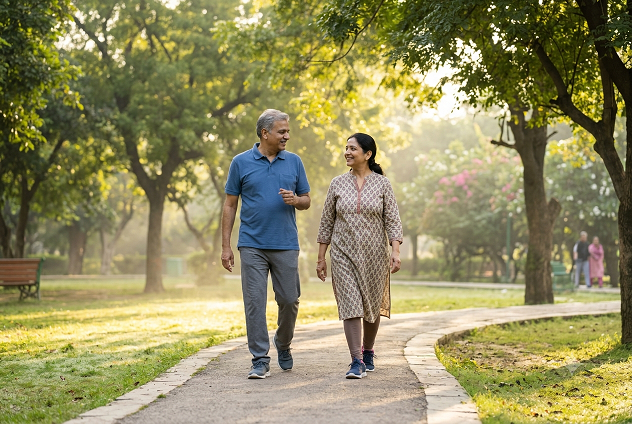
For many people, walking with a family member, friend or colleague can make the experience more enjoyable.
It can also create a regular opportunity for conversation without the distractions of phones, work or household tasks.
A scheduled evening walk, for example, can become both a physical activity habit and a social routine.
If you prefer being alone, walking can also provide quiet time.
Listening to music, a podcast or simply paying attention to your surroundings may make the activity more enjoyable, provided you remain aware of traffic and other safety concerns.

8. A Short Walk Can Be a Useful Starting Point
Many people avoid starting an exercise routine because they believe they need to immediately walk for an hour or achieve a particular number of steps.
That isn't always necessary.
The CDC emphasizes that adults who are physically inactive can gain health benefits by becoming more active and should gradually increase the amount and intensity of physical activity over time.
Starting small can make a new habit feel more manageable.
You could begin with:
- Five minutes after breakfast
- Ten minutes during lunch
- A short evening walk
- A walk around your neighbourhood
Once walking becomes a regular part of your routine, you can gradually adjust the duration, frequency or pace.
The objective is to build a sustainable habit rather than reaching an arbitrary target immediately.
9. How Fast Should You Walk?
The answer depends on your current fitness and overall health.
For general physical activity, public-health guidance often refers to moderate intensity.
The NHS describes brisk walking as walking at a pace that makes you breathe faster, while still being able to talk.
However, a brisk pace may not be appropriate or comfortable for everyone.
If you're beginning after a long period of inactivity, recovering from illness or living with a medical condition, a slower pace may be a more appropriate starting point.
Fitness trackers and step counts can be useful tools for monitoring activity, but they are not the only measure of a healthy routine.
A step target that works for one person may not be suitable for another.
Focus on gradual and realistic progress.
10. Walking Outdoors Can Offer Additional Enjoyment
A treadmill or indoor walking space can be useful, particularly when weather or safety is a concern.
However, many people enjoy walking outdoors.
Parks, neighbourhoods and walking paths can provide a change of environment from work or home.
Research has explored associations between time spent in natural environments and aspects of health and well-being, although individual experiences and the quality of available environments can vary.
If walking outdoors:
- Choose well-lit and safe routes.
- Pay attention to traffic.
- Carry water when necessary.
- Dress appropriately for the weather.
- Use sun protection when appropriate.
- Avoid distractions that reduce awareness of your surroundings.
Enjoying the environment is important, but personal safety should remain a priority.
11. How to Make Walking a Daily Habit
The easiest way to develop a walking habit is often to connect it with something you already do.
Attach Walking to an Existing Routine
For example:
- Walk after breakfast.
- Take a walk after lunch.
- Walk after finishing work.
When an activity becomes connected to an existing routine, it may be easier to remember.
Keep Your Goals Realistic
Don't start with a target that feels impossible.
A consistent 10-minute walk may be a better starting point than planning an hour every day and stopping after three days.
Prepare in Advance
Keep comfortable walking shoes easily accessible.
If you plan to walk outdoors in the morning, prepare your clothing the night before.
Reducing small obstacles can make the habit easier to follow.
Track Progress if It Motivates You
A phone or fitness tracker can help some people notice patterns and progress.
But tracking should support your routine—not become a source of pressure.
Make It Enjoyable
Choose a route you like.
Invite someone to join you.
Listen to something interesting when it is safe to do so.
The more enjoyable the routine feels, the more likely you may be to continue.
12. Walking Safely Is Just as Important
Walking is generally accessible, but it still involves practical safety considerations.
Choose footwear appropriate for the surface and weather.
Be careful on uneven paths.
Use visible or well-lit routes when walking in low-light conditions.
Pay attention to vehicles, bicycles and other people.
If walking outdoors in hot weather, consider hydration and protection from excessive sun exposure.
People with existing health conditions, balance problems, significant joint pain or concerns about starting physical activity may benefit from discussing an appropriate activity plan with a qualified healthcare professional.
Inkauras Insight
Walking doesn't need to be an extreme fitness challenge to become valuable.
A short walk can be a practical starting point. A longer or brisker walk may provide additional physical activity for those who can comfortably do it.
The most useful routine is often the one that fits realistically into your life.
Instead of asking:
“Can I exercise perfectly every day?”
Try asking:
“Where can I add a little more movement to my day?”
Small, consistent changes can be easier to maintain over time.
Final Thought
Walking is simple, but that doesn't make it insignificant.
Regular walking can contribute to your overall physical activity, support cardiovascular fitness, help reduce sedentary time and provide an opportunity to step away from the pressures of everyday life.
You don't need special equipment or an extreme fitness goal to begin.
Start where you are.
Choose a comfortable pace.
Walk for an amount of time that feels realistic.
Then gradually build from there if appropriate.
The goal is not to compete with someone else's step count.
It's to find a sustainable way to move more and make physical activity part of your everyday life.
Important Disclaimer
This article is intended for general educational and informational purposes only. It does not provide medical advice, diagnosis or individualized exercise recommendations.
The appropriate type, intensity and duration of physical activity can vary based on age, fitness level, medical conditions, injuries and other individual factors.
If you have a heart condition, significant joint or balance problems, are recovering from illness or injury, or have concerns about starting or increasing physical activity, consult a qualified healthcare professional before beginning a new exercise routine.
If you experience chest pain, severe shortness of breath, dizziness or other concerning symptoms during physical activity, stop and seek appropriate medical attention.
Share your views in the comment section.
Rate this article
Sign in to rate this article.