
What Is Artificial Intelligence?
Artificial Intelligence is a technology that enables computers and machines to perform tasks that normally require human intelligence.
Deepak Singhal
Introduction
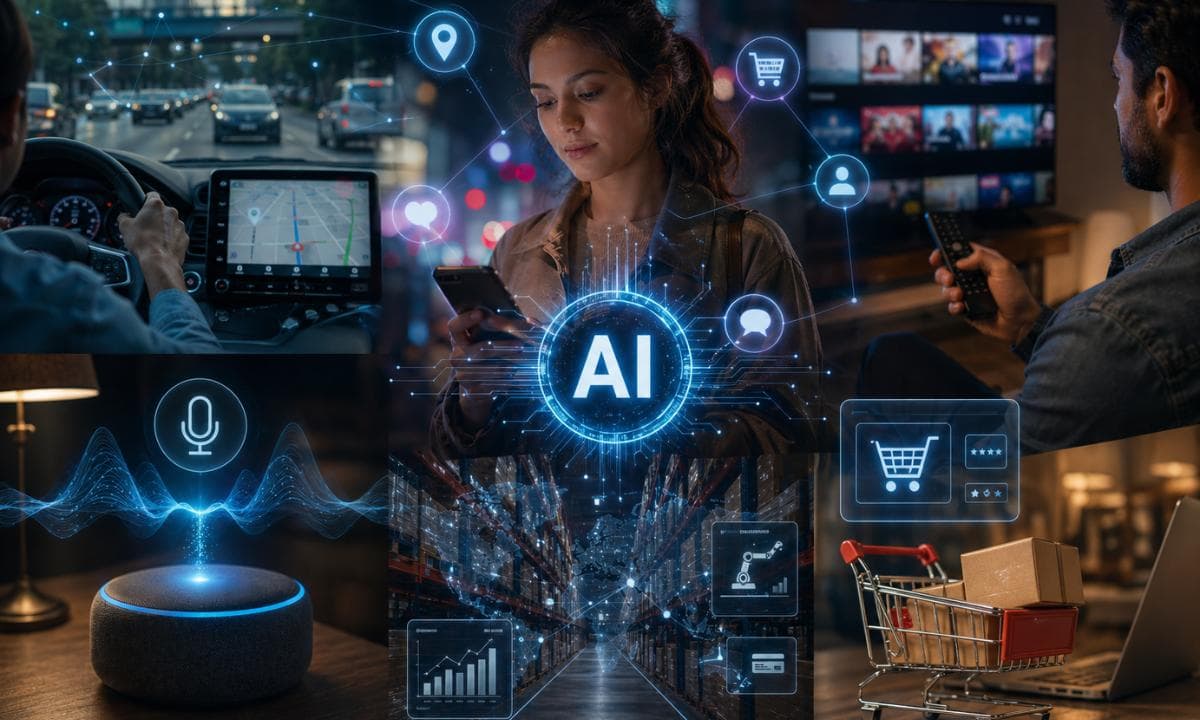
Artificial Intelligence, commonly known as AI, has quickly become one of the most talked-about technologies in the world. You may have heard about AI in the news, seen AI-powered tools on your smartphone, or even used an AI chatbot without realizing how much technology is working behind it.
But what exactly is Artificial Intelligence?
In simple words, Artificial Intelligence is a technology that enables computers and machines to perform tasks that normally require human intelligence.
These tasks can include understanding language, recognizing images, identifying patterns, making predictions, solving problems and even generating new content.
The interesting part is that AI doesn't necessarily look like a robot. In fact, much of the AI we use today works quietly in the background.
How Does Artificial Intelligence Work?
To understand AI, think about how humans learn.
A child may learn what a dog looks like after seeing many different dogs. Over time, the child begins to recognize common characteristics and can identify a dog even when seeing a breed they haven't seen before.
AI can learn in a somewhat similar way.
Instead of learning through human experience, an AI system can be trained using large amounts of data. The system analyzes patterns in that data and uses those patterns to make predictions or generate responses.
For example, if an AI system is trained using thousands of pictures of different objects, it can learn patterns that help it identify objects in new pictures.
This process involves sophisticated mathematics, algorithms and computing power, but the basic idea is relatively simple:
AI learns patterns from data and uses those patterns to perform tasks.
Where Do We Use AI in Everyday Life?
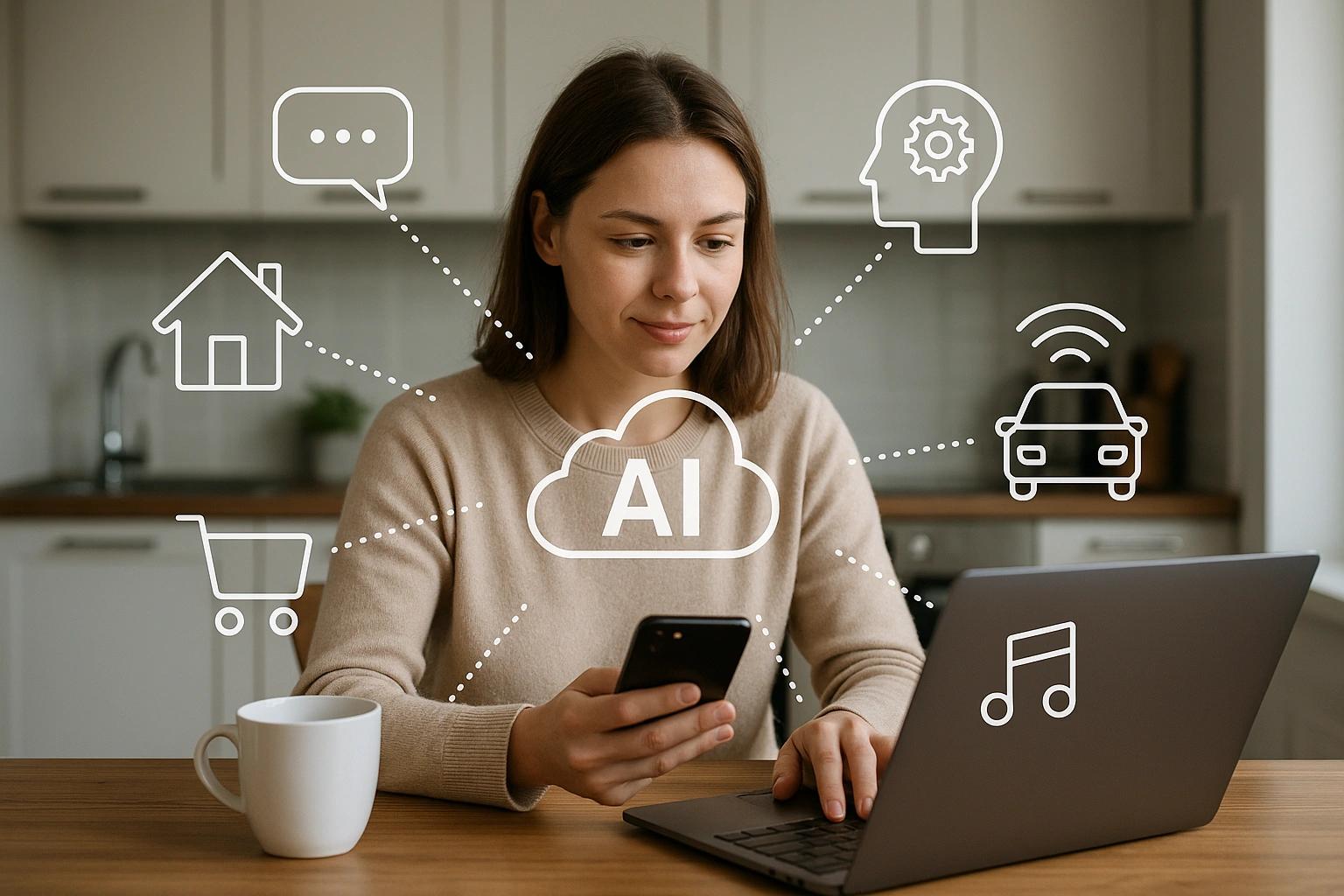
You don't have to work in a technology company to use Artificial Intelligence.
AI is already part of many everyday experiences.
📱 Smartphones
Your phone may use AI for:
- Face recognition
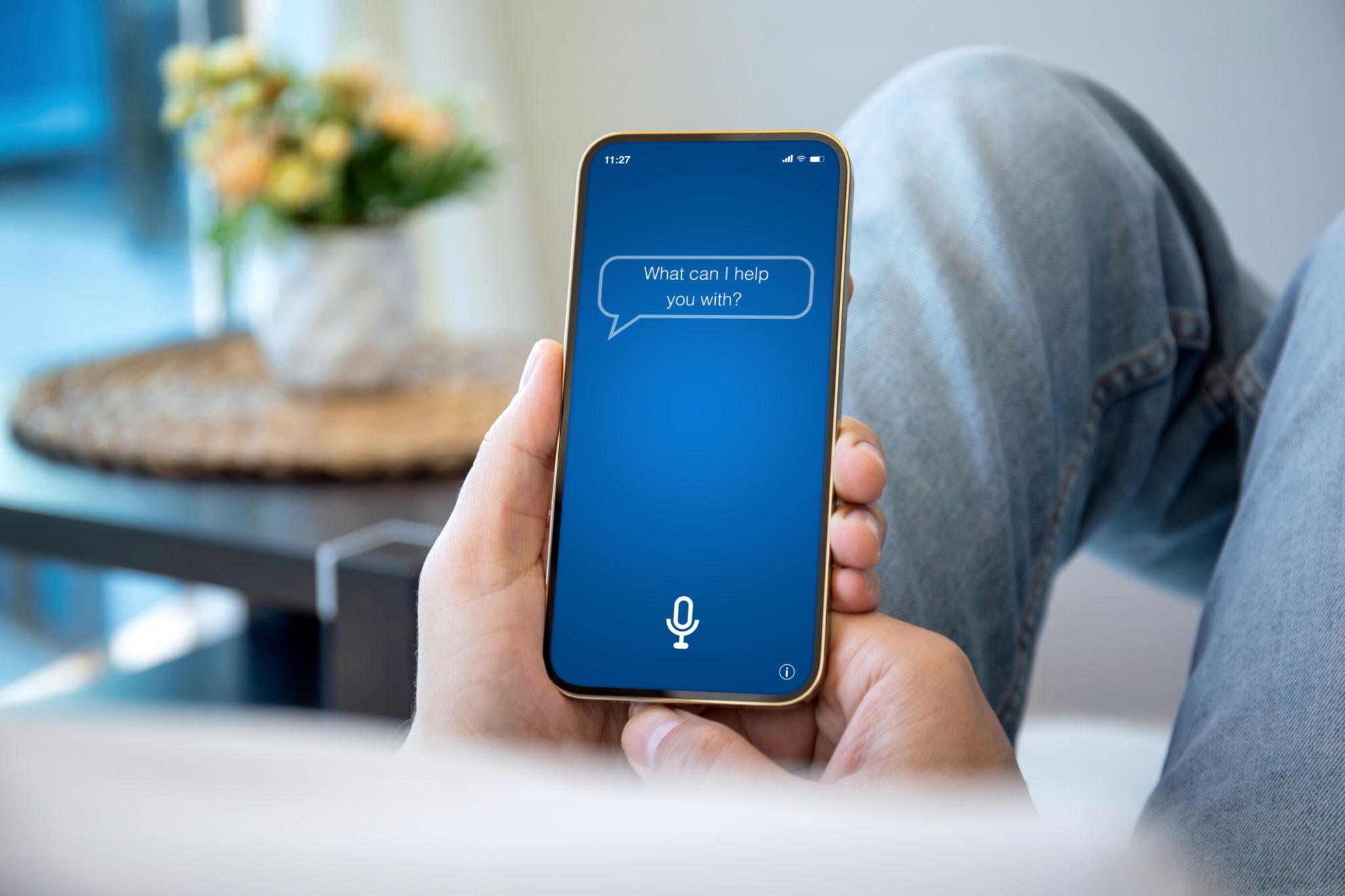
- Voice assistants
- Camera improvements
- Predictive text
- Photo organization
- Spam detection
Many of these features work so naturally that we don't think of them as AI anymore.
🎬 Entertainment
Streaming platforms can analyze what you watch and suggest movies, shows or music that you may enjoy.
These recommendations are influenced by patterns in your previous activity and the behavior of other users.
🛒 Online Shopping
When an online store recommends products based on what you previously viewed or purchased, AI and related data-analysis technologies may be involved.
🗺️ Navigation
Navigation applications can analyze information such as traffic patterns and road conditions to suggest routes and estimate travel times.
💬 Chatbots
Customer-service chatbots can understand questions written in everyday language and provide answers without requiring a human representative for every interaction.
Is AI the Same as a Human Brain?
No.
Although AI can perform certain tasks remarkably well, it does not mean that a computer thinks exactly like a human.
Human intelligence involves emotions, experiences, intuition, creativity, social understanding and many other complex abilities.
Most AI systems are designed to perform specific types of tasks based on the data and instructions they have been given.
For example, an AI system that is very good at recognizing images isn't automatically capable of understanding a complicated personal conversation.
This is why it is important to understand both what AI can do and what it cannot do.
What Is Generative AI?
One of the most visible developments in recent years has been Generative AI.
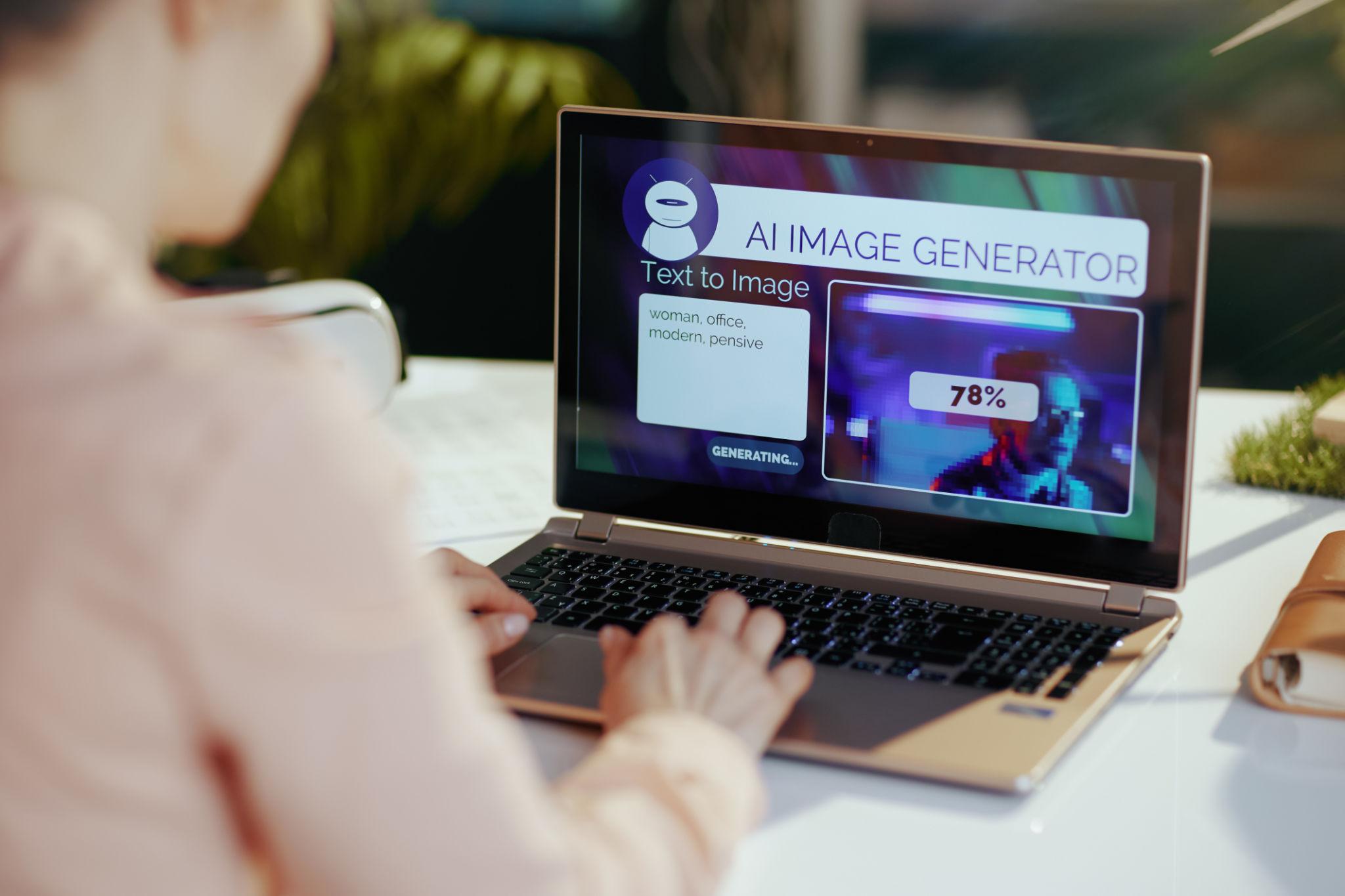
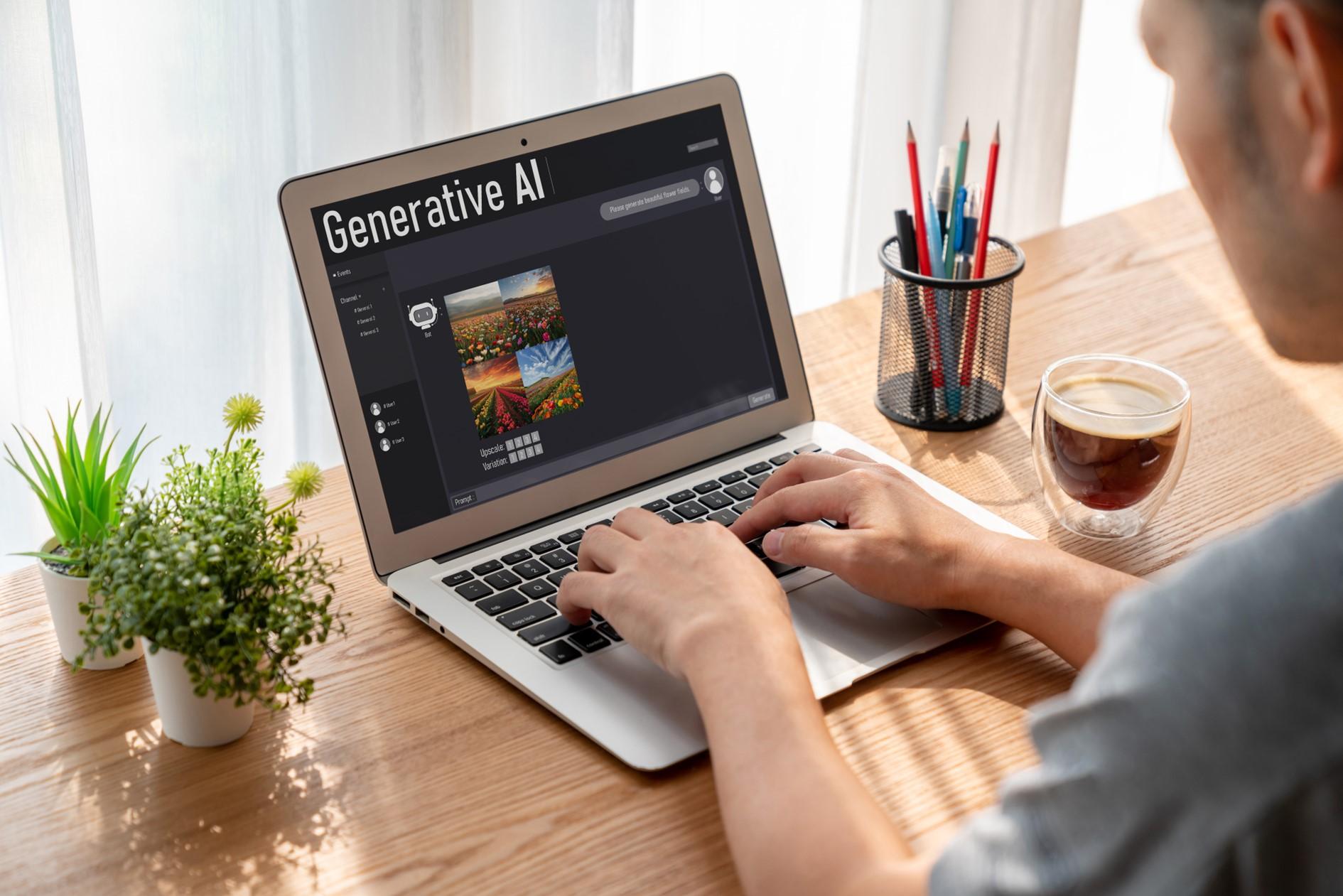
Unlike systems that simply classify or analyze information, Generative AI can create new content based on patterns it has learned.
It can generate things such as:
- Text
- Images
- Audio
- Video
- Computer code
For example, a person can ask an AI tool to explain a complicated subject in simple language, create a draft email, summarize information or generate ideas for a project.
This has made AI accessible to people who may have never studied programming or computer science.
Can AI Make Mistakes?
Yes — and this is one of the most important things to understand about Artificial Intelligence.
AI systems can sometimes produce incorrect, incomplete or misleading information.
An AI-generated answer may sound very confident while still being wrong.
This is particularly important when dealing with subjects such as:
- Health
- Finance
- Legal matters
- Education
- Important personal decisions
AI can be a useful tool for research, learning and generating ideas, but important information should still be verified using reliable sources and, where appropriate, qualified professionals.
Will AI Replace People?
This is one of the biggest questions surrounding Artificial Intelligence.
The answer isn't simply yes or no.
AI can automate certain repetitive tasks and change the way many jobs are performed. At the same time, people continue to provide qualities that are difficult to replicate completely, including human judgment, empathy, relationships, creativity and responsibility.
Instead of thinking only about "AI replacing people," it may be more useful to think about "people working with AI."
Someone who knows how to use technology effectively may be able to complete certain tasks faster while still relying on human judgment for important decisions.
Why Should Everyone Understand AI?
You don't need to become a programmer or AI expert to understand Artificial Intelligence.
But having a basic understanding of AI can help you:
- Use AI tools more effectively
- Recognize AI-generated information
- Protect your personal information
- Understand changes in the workplace
- Make better decisions about technology
- Help children use AI responsibly
- Keep up with an increasingly digital world
AI is becoming part of everyday life, which makes AI literacy increasingly useful for everyone.
The Future of Artificial Intelligence
Artificial Intelligence is still evolving.
Future AI systems may become more capable of helping people with education, healthcare, research, communication, business and many other areas.
But technological progress also brings important questions about privacy, security, misinformation, employment, copyright and responsible use.
The future of AI will therefore depend not only on how powerful the technology becomes, but also on how responsibly people develop and use it.
Final Thought
Artificial Intelligence may sound complicated, but its basic idea is easier to understand than it first appears.
AI is technology that enables machines to learn from information, recognize patterns and perform tasks that traditionally required human intelligence.
You are probably already using AI in some form every day.
The important question is no longer simply "What is AI?"
It is:
How can we understand and use AI responsibly to make our lives better?
Share you thoughts in comment.
Rate this article
Sign in to rate this article.