
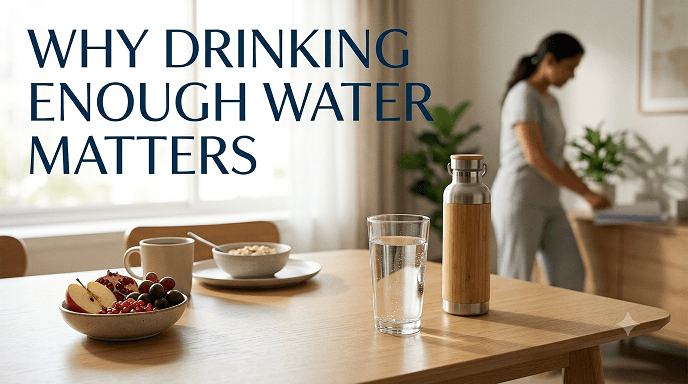
Why Drinking Enough Water Matters
Staying properly hydrated varies by individual based on age, activity, and climate, making generic intake rules unnecessary. While maintaining steady fluid intake supports essential body functions, drinking extreme amounts isn't automatically better, as optimal hydration is simply about balance.
InkAuras
Introduction
Water is one of the simplest things our bodies need, yet it is surprisingly easy to overlook during a busy day.
We may remember breakfast, lunch, exercise or work deadlines, but forget to drink enough fluids until we feel thirsty, tired or uncomfortable.
Hydration is not about following a universal rule that says everyone must drink exactly the same amount of water every day. Water requirements can vary depending on factors such as age, activity level, weather, diet and health conditions. Water also comes from foods and beverages, not only from plain drinking water.
Water is essential for many functions in the body, including helping regulate temperature and maintain normal physiological processes. When fluid losses become greater than fluid intake, dehydration can develop.
For most healthy people, maintaining regular fluid intake is a simple part of everyday self-care.
But hydration is also an area where more is not automatically better. Certain medical conditions can require fluid restrictions, while excessive water consumption can also be harmful in extreme circumstances.
So, what does drinking enough water actually mean?
Let's explore it in practical terms.
1. Why Does the Body Need Water?
Water is involved in practically every major process that keeps the body functioning.
It contributes to:
- Regulation of body temperature
- Normal circulation
- Transportation of nutrients
- Removal of waste products
- Normal digestion
- Maintaining fluid balance
- Supporting normal physical and cognitive function
The body constantly loses water through urine, sweat, breathing and other processes. Those losses need to be replaced over time.
When fluid intake does not adequately compensate for losses, dehydration can occur.
This is particularly important during hot weather, physical activity or illness, when fluid losses may increase.
Hydration, therefore, isn't a special health routine that needs to be followed only when exercising.
It is part of normal daily life.
2. Water Helps the Body Manage Temperature
One of water's important roles is supporting temperature regulation.
The body produces heat throughout the day, particularly during physical activity. Sweating helps the body release heat, but sweating also results in fluid loss.
When temperatures are high or someone is exercising heavily, maintaining adequate fluid intake becomes more important.
This is one reason people may need more fluids during:
- Hot weather
- Outdoor activities
- Exercise
- Physically demanding work
- Fever
- Episodes of vomiting or diarrhoea
Water requirements aren't identical for everyone, so there isn't one fixed amount that applies to every situation.
3. Hydration and Everyday Energy
Feeling tired can have many possible causes.
Poor sleep, stress, inadequate food intake, illness and lack of physical activity can all contribute to tiredness.
Dehydration can be another factor.
When the body loses more fluid than it takes in, symptoms may include thirst, tiredness, dizziness, headache and reduced urine output.
This doesn't mean drinking water is a universal solution for fatigue.
If someone regularly feels exhausted despite adequate sleep, food and fluid intake, the underlying cause should not simply be assumed to be dehydration.
Persistent or unexplained symptoms deserve appropriate medical attention.

4. Water and Concentration
The brain depends on an appropriate fluid balance to function normally.
When dehydration becomes significant, people may experience symptoms such as headache, dizziness, tiredness or difficulty concentrating.
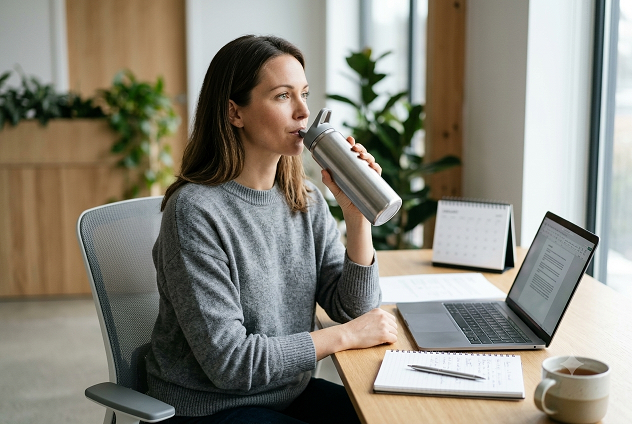
For someone working at a desk for several hours, this can be particularly easy to overlook.
Instead of waiting until the end of the workday to realize you have barely had anything to drink, keeping water nearby can make regular hydration easier.
A simple habit can be:
Keep a bottle or glass of water within reach and drink regularly throughout the day.
There is no need to turn hydration into a complicated productivity technique.
5. Water Supports Normal Digestion
Adequate fluid intake is also part of maintaining normal digestive function.
Water from both foods and beverages contributes to total fluid intake. Foods such as fruits, vegetables and soups can contain substantial amounts of water.
Adequate hydration may also be relevant when trying to prevent constipation, particularly alongside an appropriate diet and regular physical activity.
However, digestive problems have many possible causes.
If constipation is persistent, severe or accompanied by concerning symptoms, increasing water intake alone may not address the underlying problem.
6. Your Body Gives You Hydration Clues
One useful way to think about hydration is to pay attention to normal body signals.
Common signs associated with dehydration can include:
- Feeling thirsty
- Dry mouth
- Dark yellow urine
- Passing urine less frequently
- Headache
- Dizziness or light-headedness
- Feeling unusually tired
These symptoms can have other causes as well, so they shouldn't automatically be interpreted as proof of dehydration.
Urine colour can provide a useful general clue. Pale-coloured urine is generally associated with better hydration, while darker urine can occur when fluid intake is insufficient. However, medications, vitamins and other factors can also affect urine colour.
The objective isn't to constantly monitor your urine.
It is simply another practical signal that can help you notice changes.
7. How Much Water Do You Actually Need?
This is where many hydration discussions become unnecessarily rigid.
You may have heard rules such as:
“Everyone should drink exactly eight glasses a day.”
But individual water requirements vary.
They can be affected by:
- Age
- Body size
- Physical activity
- Climate
- Diet
- Pregnancy or breastfeeding
- Fever
- Vomiting or diarrhoea
- Certain medications
- Medical conditions
Water intake also comes from food and other beverages, not just plain water.
For example, EFSA's reference values for total water intake include water from drinking water, other beverages and food moisture. Its adult adequate-intake values are 2.0 litres per day for women and 2.5 litres per day for men, under the conditions used to establish those reference values. These figures refer to total water intake, not necessarily the amount of plain water someone must drink.
These are population-level reference values, not personalized prescriptions.
8. You Don't Have to Drink Only Plain Water
Plain water is a simple choice, but it isn't the only source of fluids.
Depending on individual circumstances, total fluid intake can also come from:
- Milk
- Tea
- Coffee
- Soups
- Water-rich fruits
- Vegetables
- Other non-alcoholic beverages
Food itself contributes to total water intake.
However, beverage choice matters for overall nutrition.
Regularly replacing water with sugar-sweetened drinks can substantially increase sugar and calorie intake.
For everyday hydration, plain water is often a practical choice because it provides fluid without added sugar.
9. Make Hydration Easier During Busy Days
The biggest challenge for many people isn't understanding that water matters.
It is remembering to drink.
A few simple habits can help.
Keep water visible
A bottle on your desk or kitchen counter is easier to remember than one hidden inside a cupboard.
Drink around meals
Having water with breakfast, lunch and dinner can create natural reminders.
Carry water when travelling
A reusable bottle can make it easier to drink regularly when you're away from home.
Drink more during hot weather
Heat and sweating increase fluid losses, so your needs may increase.
Pay attention during exercise
Physical activity can increase fluid losses, particularly in warm environments.
Don't wait until you're extremely thirsty
Regular intake can make it easier to maintain hydration throughout the day.
These are practical habits rather than strict rules.
10. Hydration Matters More in Certain Situations
Some circumstances increase the risk of dehydration.
These include:
- Hot weather
- Heavy sweating
- Intense physical activity
- Fever
- Vomiting
- Diarrhoea
- Certain illnesses
- Some medications
Babies, young children and older adults can also be more vulnerable to dehydration.
When someone is losing substantial amounts of fluid through vomiting or diarrhoea, simply drinking large amounts of plain water may not always be the appropriate solution because electrolytes and other substances can also be lost.
Oral rehydration solutions may be recommended in some situations. A pharmacist or healthcare professional can provide appropriate guidance.
11. Can You Drink Too Much Water?
Yes.
This is an important part of the hydration conversation.
While dehydration is a genuine health concern, consuming excessive amounts of water rapidly can also create problems.
EFSA notes that water intoxication can occur when water consumption exceeds the kidneys' ability to excrete it, although this is uncommon.
Therefore, “more water is always healthier” is not a good rule.
The goal is an appropriate balance between fluid intake and fluid losses.
People with certain medical conditions may also be advised to limit their fluid intake. For example, some individuals with kidney, heart or other conditions may receive specific fluid instructions from their healthcare team.
If you have been told to restrict fluids, follow your healthcare professional's advice rather than applying general hydration recommendations.
12. What About Tea and Coffee?
Tea and coffee can contribute to total fluid intake.
However, people sometimes avoid them because they believe caffeine automatically causes severe dehydration.
The relationship is more nuanced than that.
For everyday hydration, beverages containing water still contribute to fluid intake. Individual tolerance and the amount consumed matter.
If caffeine makes you feel uncomfortable, affects your sleep or causes other problems, reducing it may be sensible.
The larger point is that hydration shouldn't be reduced to a debate over one particular beverage.
Your overall fluid intake and individual circumstances matter more.
13. Water Is Not a Substitute for a Healthy Lifestyle
Drinking enough water is important, but it isn't a shortcut to overall health.
Water cannot replace:
- Nutritious food
- Adequate sleep
- Physical activity
- Good hygiene
- Appropriate medical care
- Stress management
- Healthy lifestyle habits
Be cautious of claims suggesting that drinking large quantities of water can automatically “detox” the body, guarantee weight loss or prevent every health problem.
The body already has organs and systems responsible for processing and removing waste.
Hydration supports normal physiological function, but it isn't a miracle treatment.
14. A Simple Hydration Routine
You don't need a complicated schedule.
A practical daily routine might look like this:
Morning: Drink some water after waking and with breakfast.
During work: Keep water nearby and take regular drinks.
Meals: Include water or another suitable beverage with meals.
Exercise: Drink according to your activity, environment and fluid losses.
Hot weather: Pay additional attention to fluid intake and signs of dehydration.
Evening: Continue normal hydration without forcing large amounts of water immediately before bed.
The exact amount should depend on your individual needs.
The goal is consistent and sensible hydration, not hitting an arbitrary number at any cost.

Inkauras Insight
Drinking enough water is one of those everyday habits that can feel too ordinary to matter.
But hydration is closely connected with the body's normal ability to regulate temperature and maintain physiological functions. When fluid losses exceed intake, dehydration can cause noticeable symptoms and, in serious cases, become dangerous.
At the same time, hydration doesn't require obsessively counting every glass.
A better approach is to develop simple habits:
Keep water accessible. Drink regularly. Pay attention to thirst and other body signals. Increase attention during heat, exercise or illness. And remember that individual needs differ.
Most importantly, don't confuse hydration with a cure-all.
Good health comes from a combination of everyday habits—not one magic ingredient.
Final Thought
Water may not be the most exciting part of a healthy lifestyle, but it is one of the most fundamental.
Your body is constantly losing and replacing fluids. Making regular hydration part of your daily routine can help you maintain an appropriate fluid balance and reduce the risk of dehydration.
You don't need to follow extreme drinking challenges or force yourself to consume enormous amounts of water.
Instead, start with something simple:
Keep water close, drink regularly, and listen to what your body is telling you.
And remember—healthy hydration is about balance, not excess.
Important Health Disclaimer
This article is intended for general educational and informational purposes only. It is not medical advice, diagnosis or treatment and should not replace advice from a qualified healthcare professional.
Individual fluid requirements vary. People with certain medical conditions, including some kidney, heart or other health conditions, may need specific fluid recommendations or restrictions.
If you experience persistent excessive thirst, very low urine output, significant dizziness, confusion, severe weakness or other concerning symptoms, seek appropriate medical attention. Severe dehydration can require urgent treatment.
Parents and caregivers should take particular care with infants, young children and older adults, who may be at increased risk of dehydration.
Share you views in the comment section.
Rate this article
Sign in to rate this article.