
Why Sleep Is Important for Your Health
Sleep is often sacrificed during busy schedules, yet it is an active process essential for brain function, physical health, and overall well-being. Prioritizing quality sleep and establishing healthy habits are critical for maintaining everyday performance and long-term health.
Abhinav Sharma

Introduction
Sleep is often treated as the part of the day we can sacrifice when life gets busy.
Late-night work, social media, television, household responsibilities or simply staying up a little longer can gradually reduce the time we spend sleeping. But sleep isn't just "time when nothing is happening."
While we sleep, the body and brain continue carrying out important processes that support physical health, mental well-being, learning, memory and everyday functioning. The National Heart, Lung, and Blood Institute (NHLBI) describes sleep as important for healthy brain function and physical health throughout life.
So, why is sleep so important, and what can we do to improve our sleep habits?
How Much Sleep Do We Need?
There isn't one universal number that works for every person.
Sleep needs change with age and can also vary between individuals.
For adults, the Centers for Disease Control and Prevention (CDC) recommends at least 7 hours of sleep per night for adults aged 18–60. Adults aged 61–64 are generally recommended 7–9 hours, while adults 65 and older are generally recommended 7–8 hours. Teenagers and children require more sleep.
The American Academy of Sleep Medicine and Sleep Research Society also recommend that healthy adults regularly get 7 or more hours of sleep to support optimal health.
However, sleep isn't only about the number of hours.
Quality, regularity and the absence of sleep disturbances also matter.
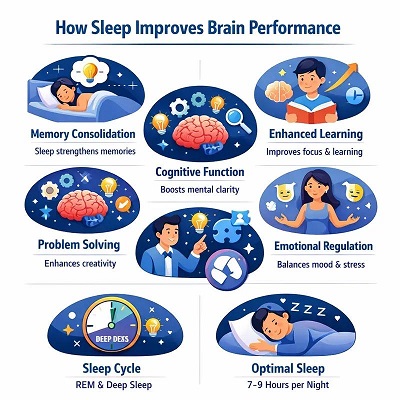
1. Sleep Helps Your Brain Work Better
A good night's sleep can make a noticeable difference in how we function the following day.
Sleep supports processes involved in:
- Learning
- Memory
- Concentration
- Problem-solving
- Decision-making
- Emotional regulation
NHLBI notes that insufficient or poor-quality sleep can interfere with focusing, thinking clearly, learning, remembering information and reacting appropriately.
Think about the difference between starting an important day after a restful night and starting it after repeatedly waking up or sleeping for only a few hours.
Your schedule may be the same, but your ability to handle that schedule may not be.
2. Sleep Supports Physical Health
Sleep also plays an important role in maintaining physical health.
During sleep, the body continues working on processes that support the heart, metabolism, immune function and other systems.
Research summarized by NHLBI links ongoing insufficient sleep with a higher risk of several health problems, including high blood pressure, heart disease, obesity and stroke.
This doesn't mean that one night of poor sleep will automatically cause a health problem.
The concern is more about persistent or inadequate sleep over time.
That distinction is important because health outcomes are influenced by many factors, including diet, physical activity, genetics, medical conditions and lifestyle.
3. Sleep Can Affect Mood and Emotional Well-being
Have you ever noticed that you feel more impatient or emotionally drained after a poor night's sleep?
Sleep and emotional well-being are closely connected.
Sleep deficiency can make it harder to manage emotions, cope with changes and maintain concentration during the day. NHLBI also notes that sleep deficiency can affect mood and behavior.
This doesn't mean sleep alone determines your mental health.
Stress, anxiety, relationships, work pressure and many other factors can influence how we feel.
But getting adequate sleep can be one useful part of maintaining overall well-being.
4. Sleep Matters for Daily Safety
Sleep isn't only about feeling energetic.
Insufficient sleep can affect reaction time, attention and decision-making. That becomes particularly important when driving, operating machinery or performing tasks that require sustained concentration.
NHLBI notes that sleep deficiency can slow reaction time and increase mistakes, while severe sleepiness can result in brief episodes of involuntary sleep known as microsleep.
If you're feeling very sleepy, particularly before driving, don't assume that coffee or willpower will make you fully alert.
Safety should come first.
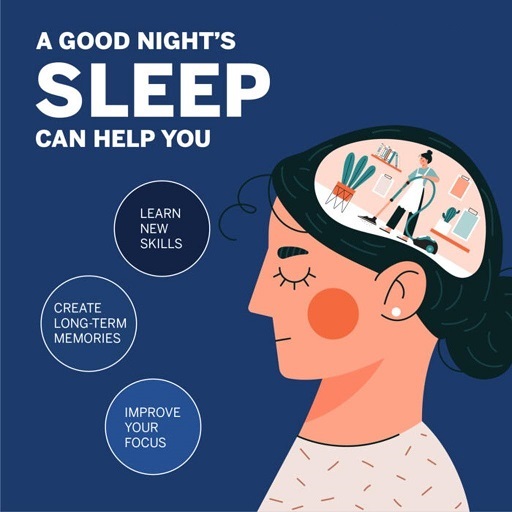
Simple Habits for Better Sleep
Improving sleep doesn't necessarily require complicated techniques.
1. Keep a Consistent Schedule
Try to go to bed and wake up at roughly the same time each day, including weekends.
A regular schedule can help your body's internal sleep-wake rhythm stay more consistent.
2. Create a Wind-Down Routine
Give yourself some quiet time before bed.
You could:
- Read a book
- Listen to calm music
- Take a warm bath
- Practice relaxation techniques
- Reduce stimulating activities
The goal is to create a transition between a busy day and bedtime.
3. Pay Attention to Light
Light plays an important role in the body's internal clock.
NHLBI explains that light and darkness help regulate the sleep-wake cycle, while bright artificial light late in the evening can interfere with the body's preparation for sleep.
Consider reducing bright lights and intensive screen use close to bedtime if you find they interfere with your sleep.
4. Make Your Bedroom Comfortable
A sleep environment that is quiet, dark and comfortably cool may make it easier to sleep.
Also consider keeping unnecessary distractions away from your sleeping area.
5. Be Mindful of Caffeine and Alcohol
Caffeine can interfere with sleep, particularly when consumed later in the day. Alcohol may also affect sleep quality.
If you notice that either affects your sleep, consider adjusting your consumption and timing.
6. Stay Physically Active
Regular physical activity can be part of a healthy sleep routine. Getting natural light and being active during the day may also support healthier sleep patterns.
However, avoid assuming that exercise alone will solve persistent sleep problems.
What If You Regularly Can't Sleep?
Occasional difficulty sleeping can happen to almost anyone.
Stress, travel, changes in routine, illness, work schedules or other temporary circumstances can affect sleep.
But if you regularly have difficulty falling asleep, staying asleep, wake up feeling unrefreshed, or feel excessively sleepy during the day, it may be worth discussing the situation with a healthcare professional.
Persistent sleep problems can sometimes be associated with sleep disorders or other health conditions.
For example, insomnia involves difficulty falling asleep, staying asleep or getting good-quality sleep despite having adequate opportunity to sleep.
Don't rely solely on online tips if sleep problems are persistent or affecting your daily life.

Inkauras Insight
Sleep is easy to postpone because its benefits aren't always immediately visible.
You may think:
"I'll sleep less tonight and catch up later."
Occasionally, life may genuinely require a late night.
But consistently treating sleep as optional can make it harder to maintain your health, concentration, mood and daily performance.
Instead of asking, "How little sleep can I manage with?" try asking, "How can I make enough sleep a regular part of my life?"
That small change in perspective can make sleep a priority rather than an afterthought.
A Simple Sleep Checklist
Tonight, ask yourself:
- Am I giving myself enough time to sleep?
- Do I maintain a reasonably consistent sleep schedule?
- Is my bedroom comfortable, quiet and dark?
- Do I have a relaxing wind-down routine?
- Am I limiting things that interfere with my sleep?
- Am I staying physically active during the day?
- Do I regularly feel rested when I wake up?
You don't need to change everything tonight.
Start with one habit and build from there.
Final Thoughts
Sleep isn't wasted time.
It is an important part of maintaining our physical health, mental well-being and ability to function effectively during the day.
You don't need a perfect bedtime routine. Start by giving yourself enough opportunity to sleep, maintain a reasonably consistent schedule and create an environment that supports rest.
And if sleep problems persist, don't simply accept them as part of a busy lifestyle.
Good health isn't only about how you spend your waking hours. It's also about how well you allow your body and mind to rest.
Important Health Disclaimer
This article is intended for general health and wellness education only. It is not a substitute for professional medical advice, diagnosis or treatment.
Individual sleep needs and problems can vary depending on age, lifestyle, medical conditions, medications and other circumstances. If you have persistent sleep difficulties, excessive daytime sleepiness, breathing problems during sleep, or concerns about your sleep health, consult an appropriately qualified healthcare professional.
Rate this article
Sign in to rate this article.